

1. Two metrics, one causal chain
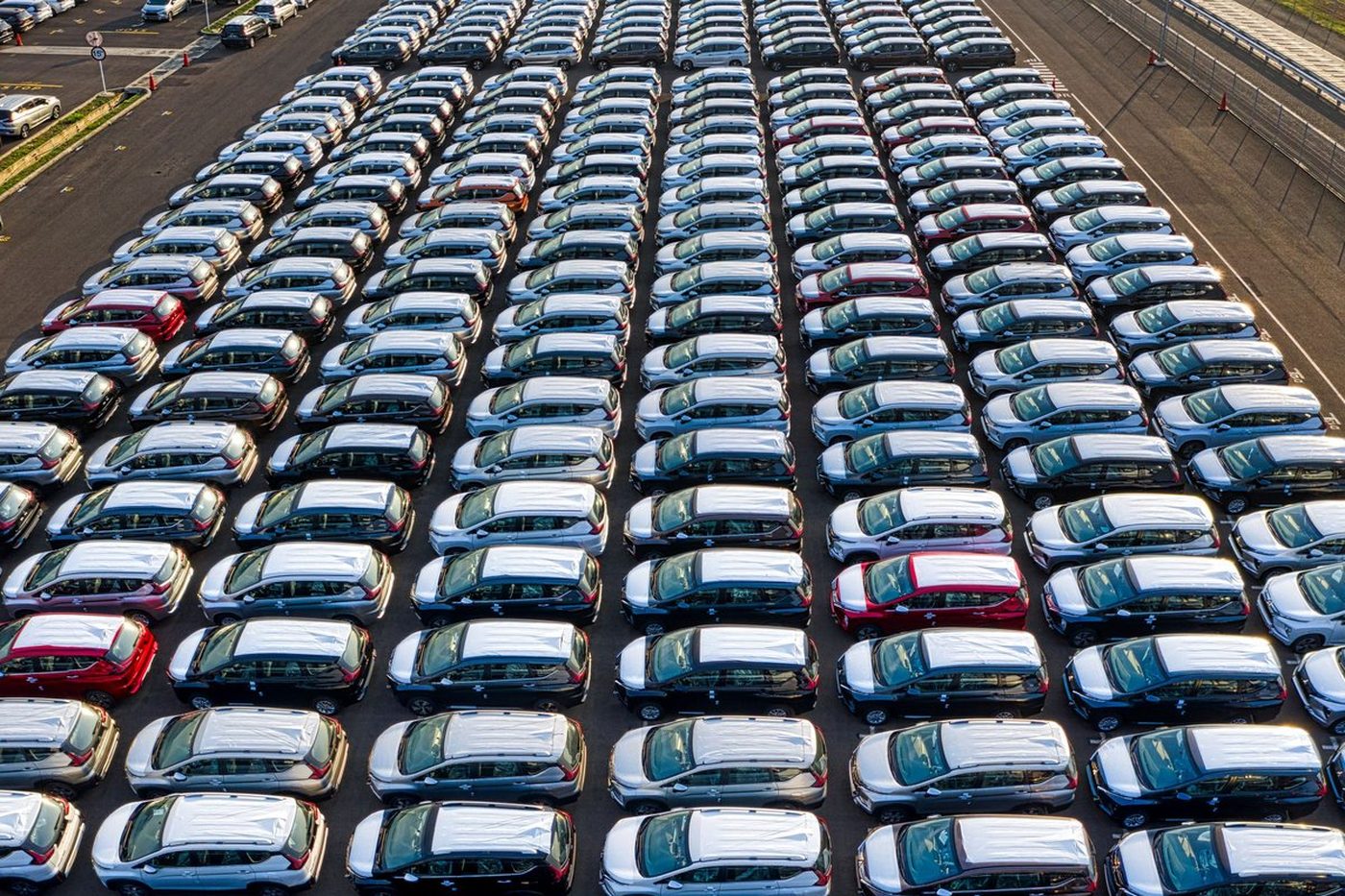
In finished vehicle logistics, damage and delay are rarely independent. A scratch at loading triggers rework, rescheduling and a claim; if the dealer rejects the car, it sits in the distribution yard and the next leg is disrupted.
The best operations keep damage below 0.1% and on-time performance above 98.5%. The difference is rarely the trucks; it is the handovers.
2. Damage concentrates in three places
Loading and unloading, lashing and securing, and flying stones or branches en route. Each maps to an action: a walk-around inspection with photo or video evidence at collection and at delivery; confirmation and re-check of the securing method after loading; and a lashing check at every long-haul stop.
Most claim disputes stem from incomplete handover records rather than unclear liability. Who inspected which vehicle, at what time and place, and in what condition — without those three facts, liability can never be settled.
3. Define OTD before measuring it
Whether the clock starts at collection or at plan confirmation, and whether the promise is same-day or before 10 a.m., produces entirely different numbers on the same lane. Without a contractual definition, every review meeting becomes an argument.
The other common mistake is looking only at averages. Averages hide the tail: a lane may be on time on average while its P90 runs two days late, and that 10% is exactly what the customer experiences. Read P50 and P90 separately by lane and by mode.
4. Start with event completeness
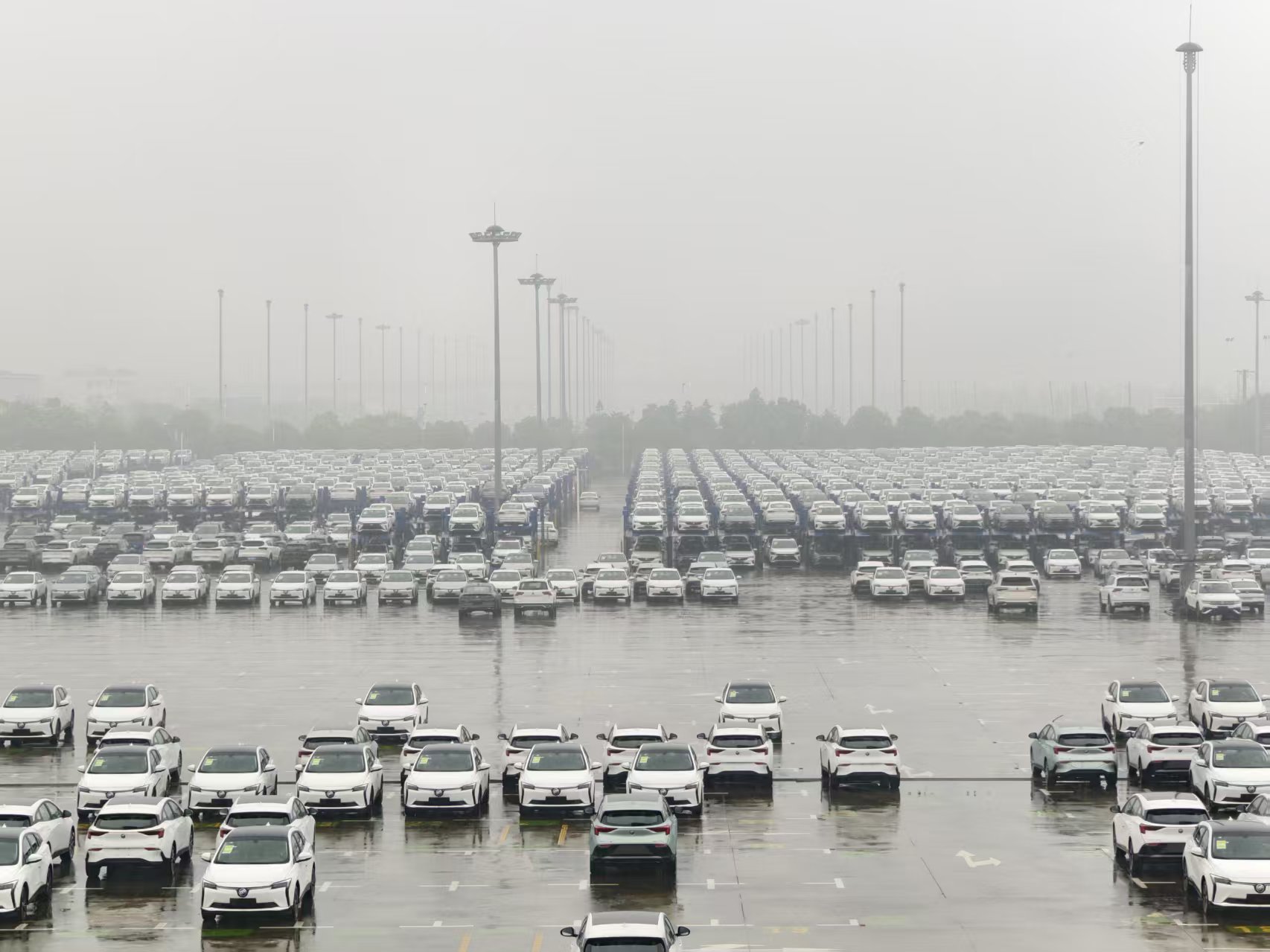
If only one metric can be introduced, make it event completeness: every vehicle must record an event at six control points — plant gate-out, yard gate-in, load, depart, arrival and handover. When events are missing, every other metric is suspect, because the operation is flying blind.
Each control point needs three definitions: what must be physically true (condition, fuel level, keys, accessories, battery state for EVs); what must be digitally recorded (event type, time, location, owner, evidence); and who owns the next step.
A soft handover means the car is dropped somewhere in the yard with no location, no inspection window and no owner. The downstream search, rehandling and mis-assigned liability all start there.
5. Capacity structure sets the ceiling on OTD
Regular volume runs on road line-haul; urgent units, show cars and sold orders get buffer time or switch to rail plus shuttling; peak season capacity is locked weeks ahead. These are planning actions, not firefighting.
Compliant loading is not a cost item. The scratches and accidents caused by over-width, over-height and overloaded carriers come back as damage, rework and delay.
6. EVs need their own procedure
Battery charge limits, securing methods and fire-safety equipment cannot be copied from combustion vehicles. Whether a carrier has the operating procedure and training records should be verified during selection, not after an incident.
Write every handover as three things — a physical rule, a digital event and an accountable pass — and damage rate and OTD improve together, because they were always the same problem.
Keep reading
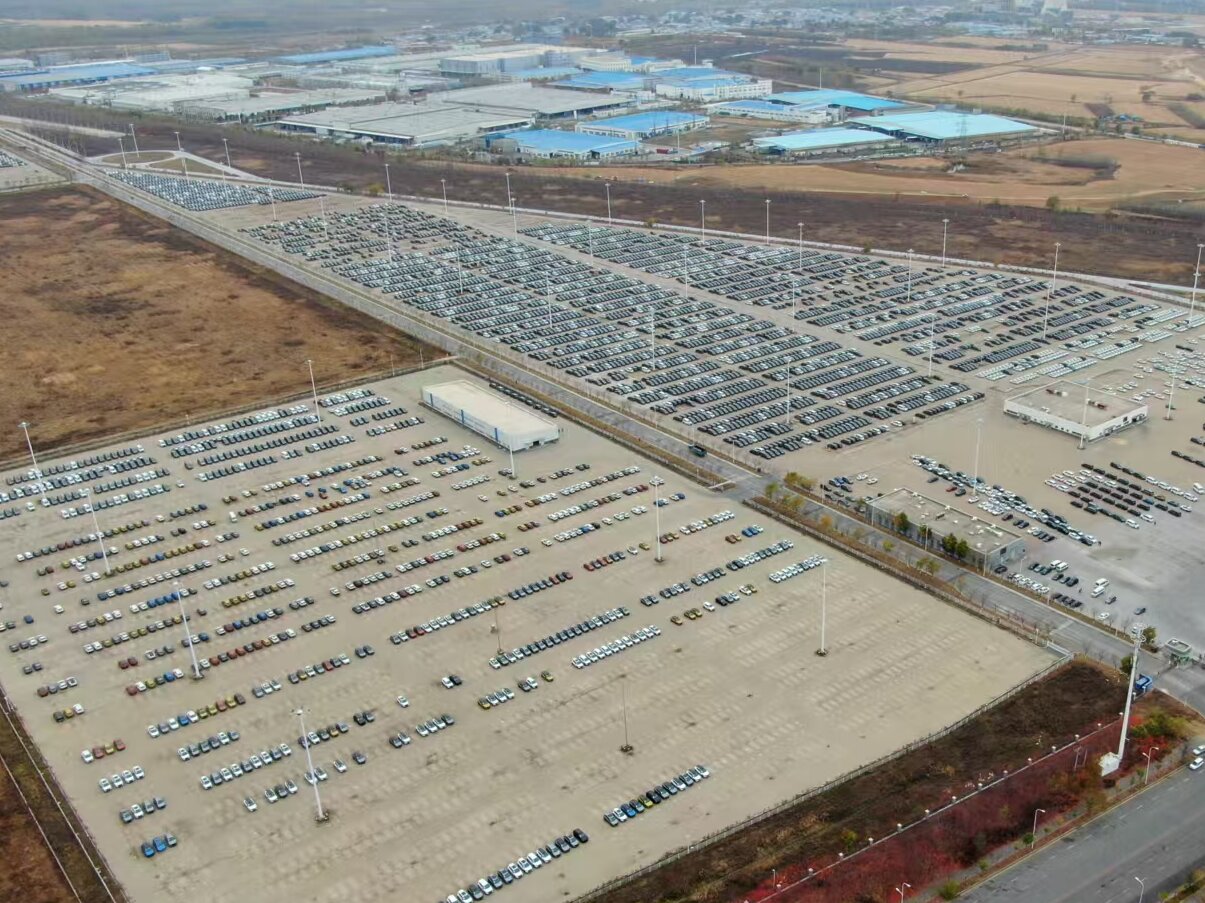
Two kinds of VDC: catch the line, or consolidate near the market
One manages plant takt time, the other manages order structure. Mixing their KPIs is the most common mistake in vehicle distribution.
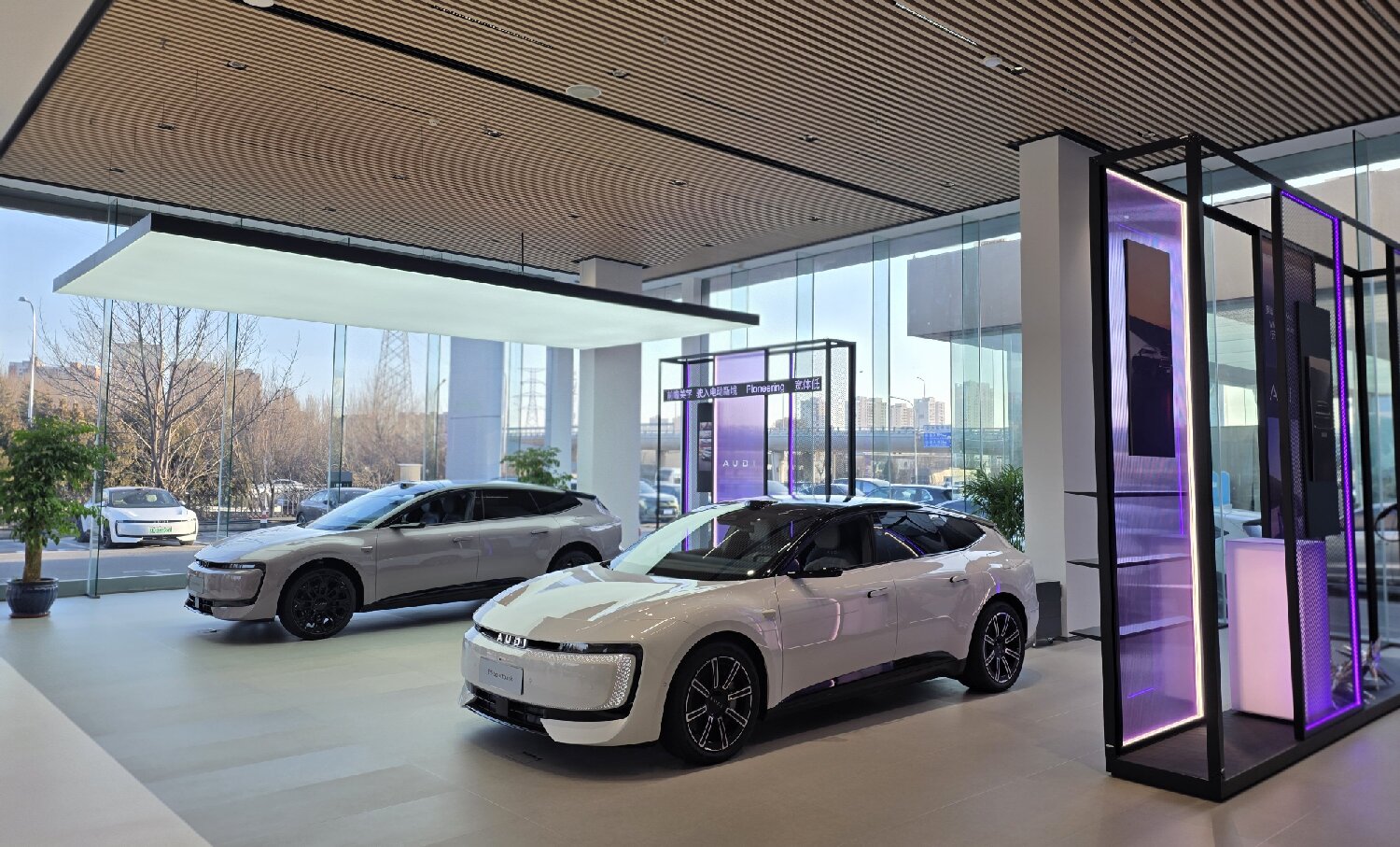
Selling Audi: the harder half is before the sale
We run two Audi dealerships. After several years the lesson is not about discounting: what closes a deal is the customer believing, before they walk in, that this store knows cars.
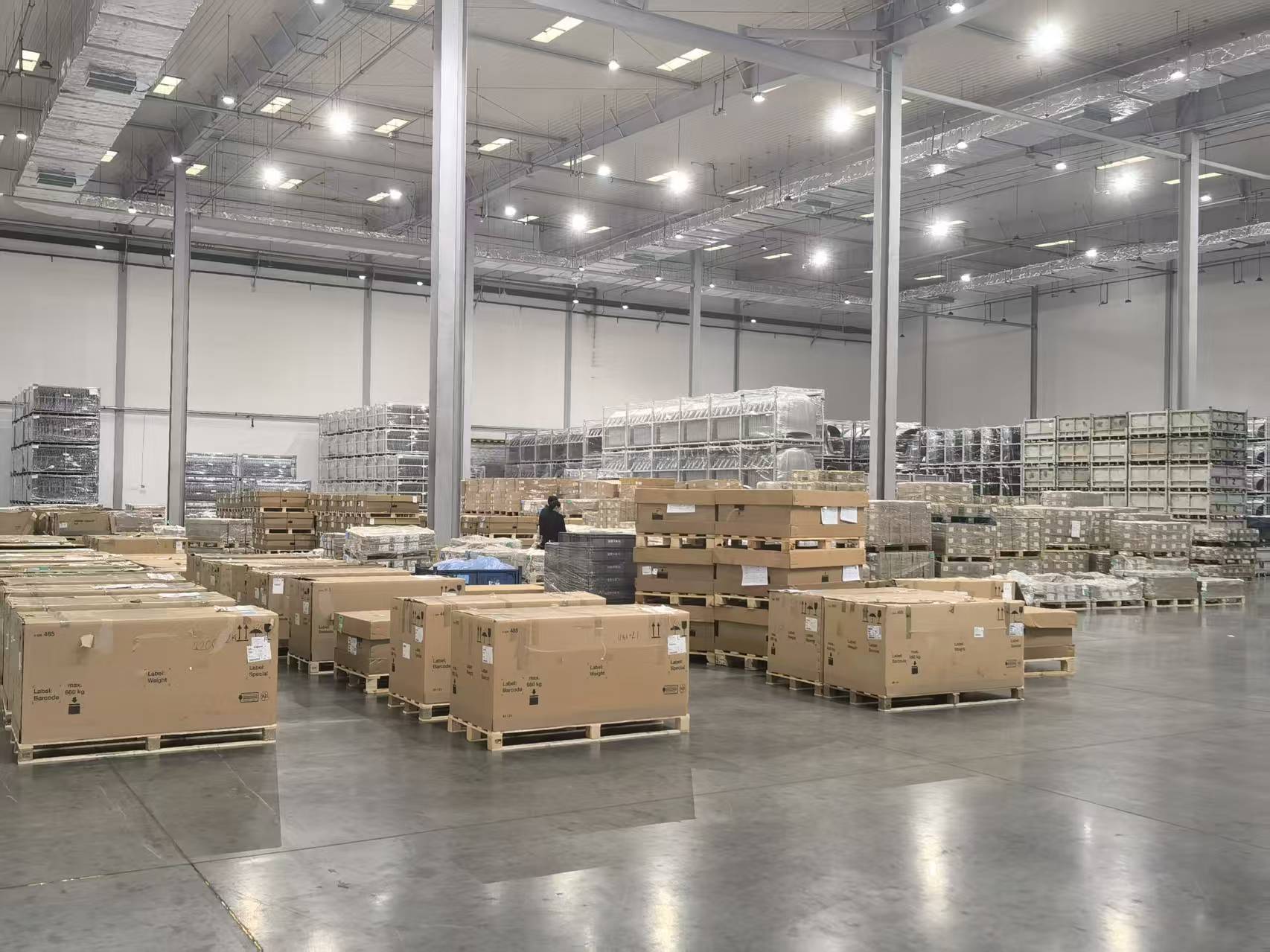
JIT is not about speed. It is about never being wrong
Getting material to the line takes a truck and a driver. Getting the right part, in the right sequence, to the right station within the right few minutes is what JIT actually is.