

FTL and LTL are two different trades: moving parts in China without losing money
Jun 2025 · Domestic transport
One thing first: the difference between FTL and LTL is not the size of the truck. It is whether your cargo has to sit with someone else's.
Full truckload means the trailer holds only your freight and leaves when it is full. LTL means your pallets go into a hub, get consolidated with other shippers' cargo, then break out again. One is priced per truck, the other per cubic metre or kilo. That sounds like billing, but it is really two operating models, two sets of people and two kinds of risk.
1. In FTL, the money goes into the loading
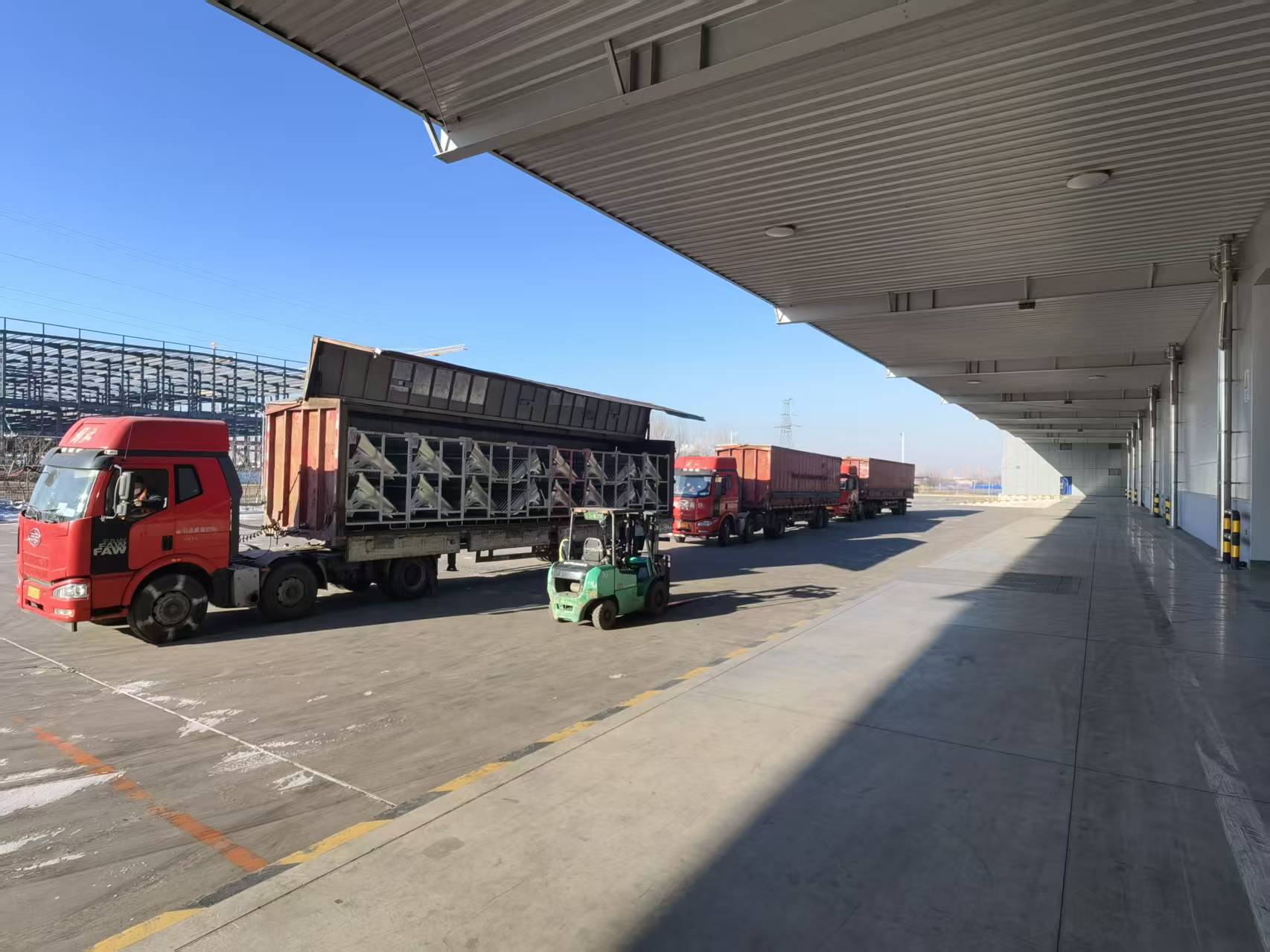
FTL looks simple: one truck, one lane, one driver. The trouble happens at the dock. Packaging varies in size, pallet heights differ, and once you stack one layer too many the bottom pallet collapses. At the line nobody can use a deformed part, so the batch goes back.
Our rule now is a loading plan before the truck is touched: what goes on which layer, how many layers maximum, where the straps go. The driver loads to the drawing and the warehouse checks against it. Twenty extra minutes, one less rework. We showed the drawing to the customer and they changed their packaging spec because of it.
2. In LTL, the money goes into the hub
LTL freight transfers at least once. Every transfer means another handling, another scan, another chance of losing a pallet. Industry damage rates for LTL run higher than FTL, and the cause is not speed — it is the transfers.
A customer in Shenyang ships the same bumpers two ways: full truck to Shanghai, LTL to Chengdu. The Chengdu shipment sat in a hub for two days waiting for consolidation. They asked why it was slow. The truck was not slow — the cargo was waiting for someone else's cargo. They put that line into their internal training deck.
The conclusion is unglamorous: if it fits on a truck, do not send it LTL. When LTL is unavoidable, stick to lanes with a fixed hub, and accept half a day more for a direct service rather than a hub that transfers three times a day. Every extra transfer is one less layer of control.
3. Door to door — which door?
Writing door to door on a contract is easy. The hard part is that the three doors look different. The plant dock is a door, the consignee's unloading bay is a door, and the warehouse receiving area in between is a door too. Leave it vague and someone at the end will be waiting.
Before quoting we ask four things: does the shipping door have a dock, is there a forklift, what time does the receiving door open, and is a booking required. Only then do we price it. One customer in Suzhou receives on the second floor with a single freight lift shared with another tenant; without asking first, the truck arrives and simply waits.
4. The three costs that are not on the quote
Waiting time, re-delivery, and return freight. Nobody hides them on purpose — they happen rarely and the amount is hard to predict. But if they are not in the contract, the year-end reconciliation will be an argument.
- Waiting time: charged from four hours at the dock, on an hourly ladder
- Re-delivery: address or slot changed by the consignee, recalculated on actual distance
- Return freight: rejected at unloading, charged at 80 percent of the outbound rate
We fix the trigger conditions and leave the unit rate blank, settling on what actually happens. Customers accept it, because they know these things happen too.
5. What a one-page solution looks like
Origin, destination, vehicle type, loading plan, transit window, exception contact and cost structure, plus a tracking sheet updated hourly so nobody has to call and ask. The page does not say we are committed to excellence; it says who to call when something goes wrong, and how fast they answer.
The hard part is the exceptions: an urgent add-on, a refusal at the receiving end, a road closure. Those do not belong in the solution; they belong in the contingency plan. The contingency is thicker than the solution, and customers rarely see it.
FTL competes on load factor, LTL competes on network density. Use whichever fits your assets and stop forcing one-stop coverage. A forced solution shows itself on the very first trip.
Keep reading
Two kinds of VDC: catch the line, or consolidate near the market
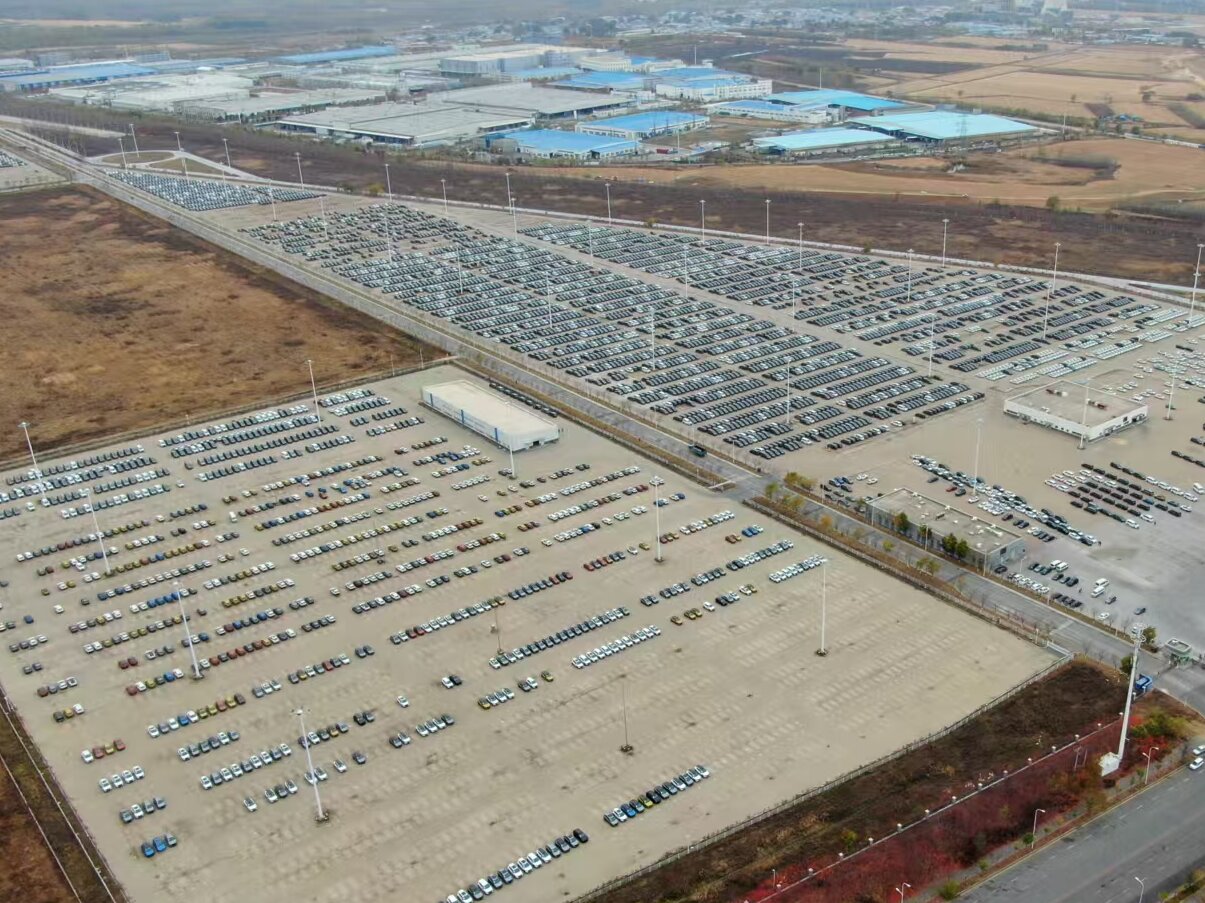
One manages plant takt time, the other manages order structure. Mixing their KPIs is the most common mistake in vehicle distribution.
Selling Audi: the harder half is before the sale
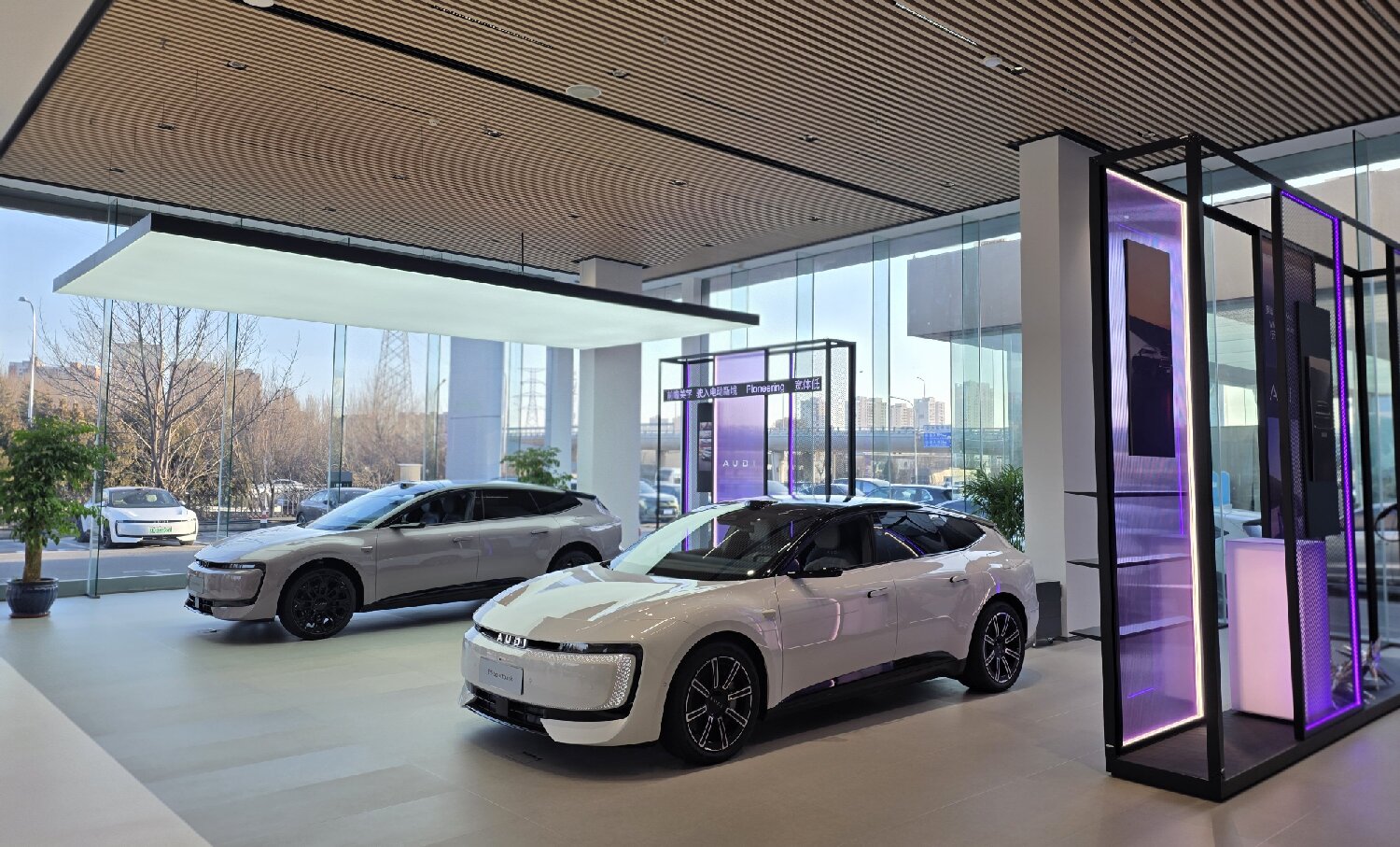
We run two Audi dealerships. After several years the lesson is not about discounting: what closes a deal is the customer believing, before they walk in, that this store knows cars.
JIT is not about speed. It is about never being wrong
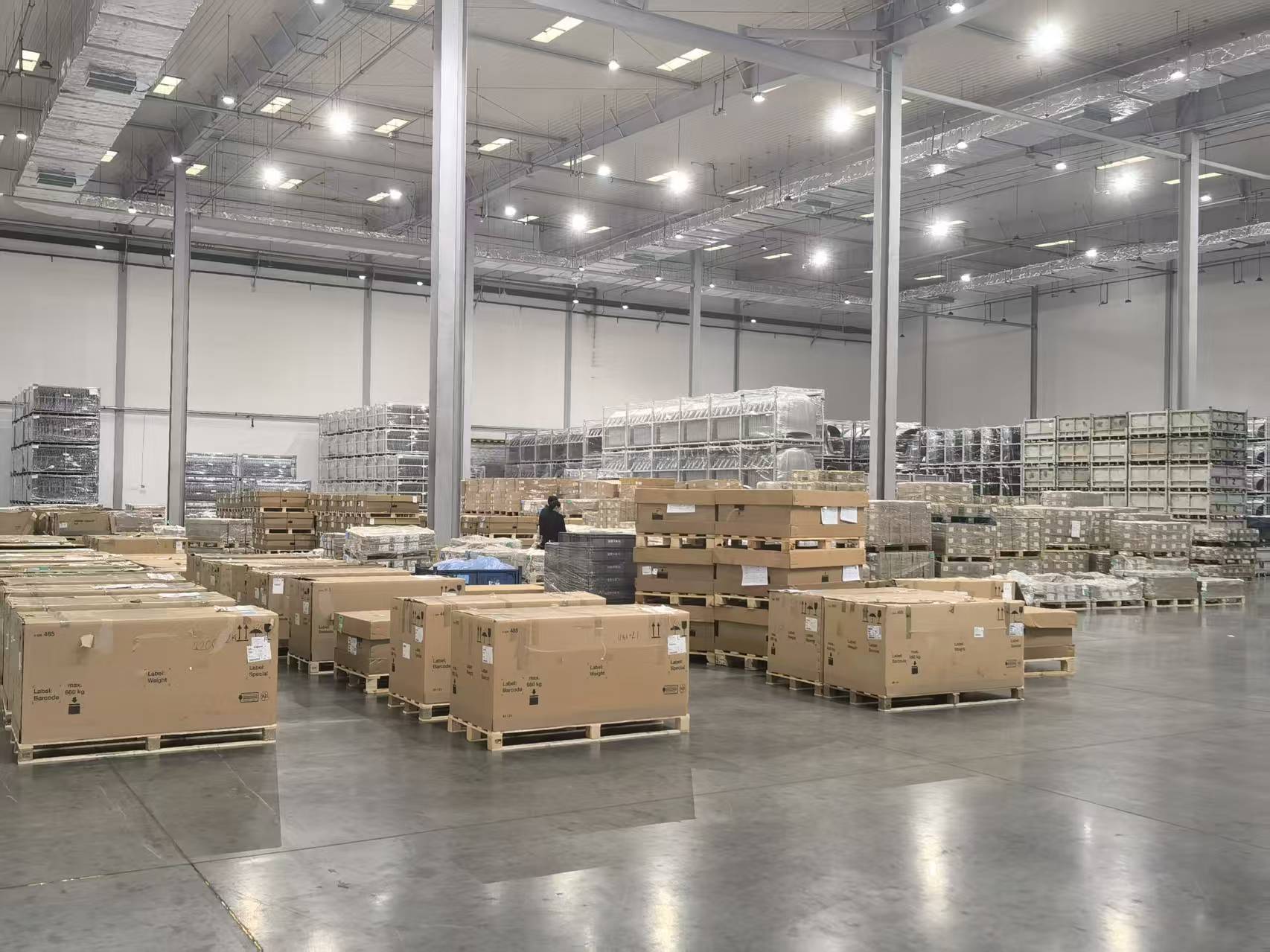
Getting material to the line takes a truck and a driver. Getting the right part, in the right sequence, to the right station within the right few minutes is what JIT actually is.