

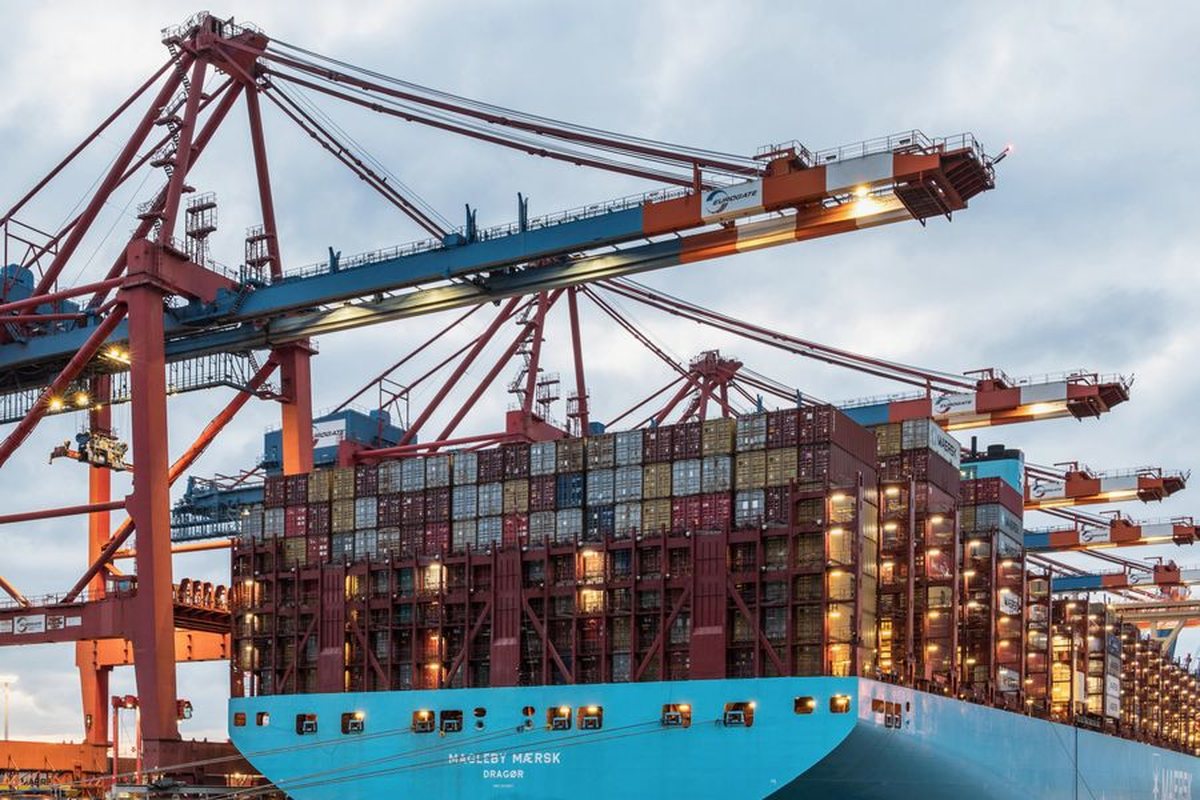
Six places import and export freight goes wrong, and how we avoid them
Jun 2026 · Freight forwarding
The first question a customer asks a forwarder is usually what a container to Hamburg costs. That number decides about thirty percent of the cost. The rest sits elsewhere: whether the goods are classified correctly, whether the documents are complete, whether the booking is genuinely confirmed, and how many days you have to return the box at destination.
We went through a year of our own exception records. More than eighty percent of the extra cost was created between booking and arrival. None of it happened at the negotiating table.
1. Imports: the HS code decides more than the duty rate
The same part classified as an automotive component rather than a general machine part can differ by five to eight percentage points in duty, and the regulatory conditions change too: some lines need CCC certification, others an automatic import licence. Once declared, changing a code means amending the entry while the cargo sits at the port on a daily storage meter.
We move classification upstream. The supplier provides drawings, material and end use, and we issue a classification opinion together with the broker, written into the project SOP. Where it is genuinely unclear, we apply for an advance ruling instead of gambling at the port.
2. Imports: wood packaging is a veto item
Equipment from Europe and North America often ships on solid wood pallets or in wooden cases. Without a legible IPPC mark, the port can return or destroy the shipment, and the cost and delay land on the consignee. There is nothing to negotiate here, so it has to be caught before loading.
Our packaging requirement for overseas suppliers therefore has two hard lines: either processed plywood or particle board, or solid wood with a clear IPPC stamp. Photos come back with the loading documents and are checked shipment by shipment.
3. Exports: a confirmed booking is not the same as available space
In peak season, “no problem with space” usually means an SO has been issued. But the cut-off on that SO may not match your ability to get the container to port. From a Shenyang plant the haul takes two days; if the SO allows a day and a half, the shipment is already lost, and nobody mentions it at booking.
Our operators work backwards from the SO the moment it arrives: cut-off minus trucking, loading and export clearance. If less than four hours of buffer remains, we rebook the next sailing or switch ports. No hoping.
4. Exports: do not gamble on battery and chemical cargo
Lithium batteries, battery-containing parts, cleaning agents and paint consumables are either dangerous goods or require an MSDS determination. Declared as general cargo and caught, the container is held, fines follow, and in serious cases the record stays with you.
Our rule is unglamorous and works: the first shipment of any new product must come with an MSDS and, for batteries, UN38.3. We determine whether it is general cargo, dangerous goods or needs special declaration, file the conclusion, and reuse it for later shipments of the same item.
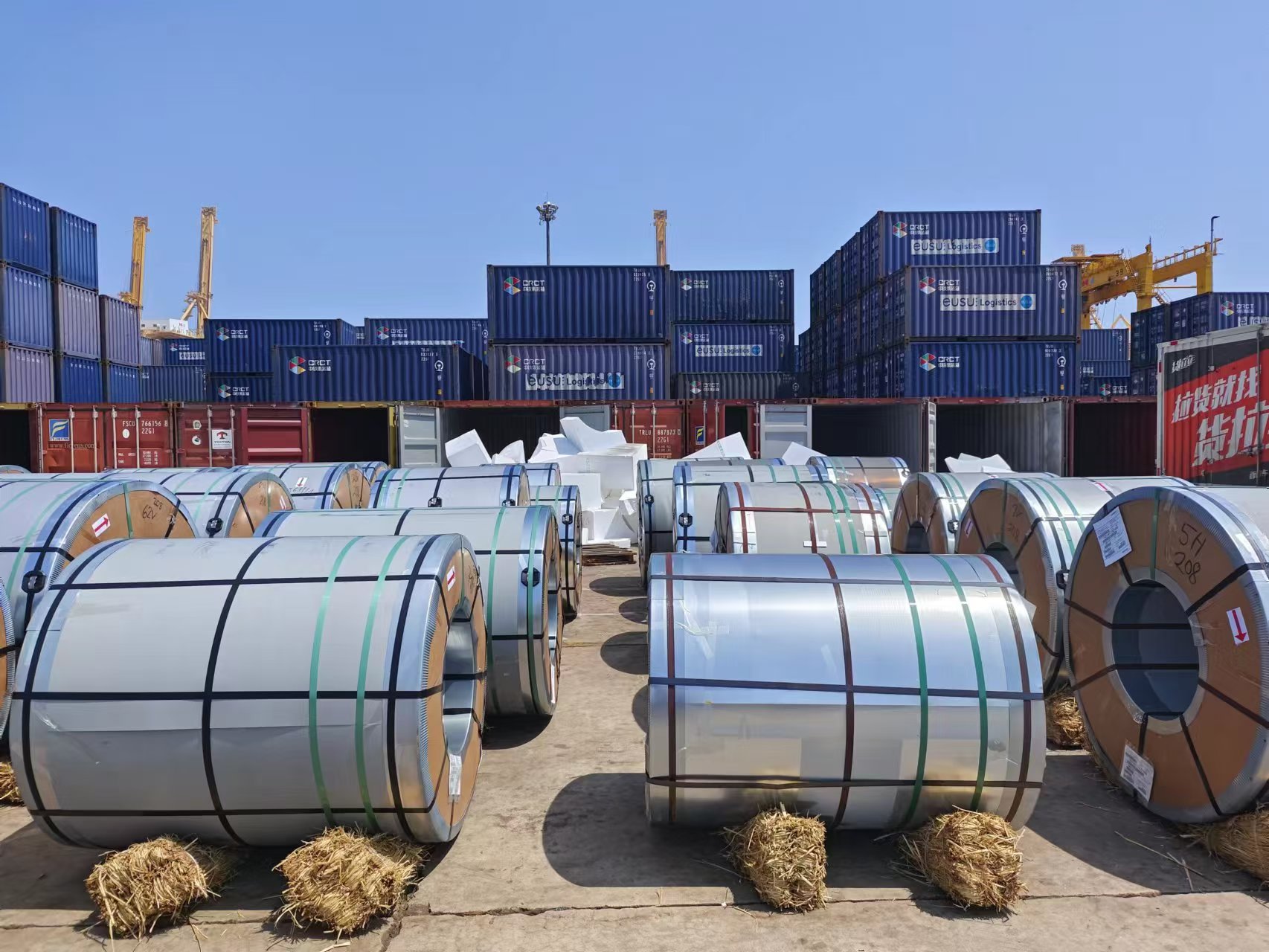
5. After arrival: free time is a calculation, not a favour
Free storage and free container use at destination usually run seven to ten days, counted from discharge rather than from collection. Documents two days late, no available truck, a full warehouse — any one of them eats the allowance.
We pull those actions forward: documents pre-cleared before sailing, the destination agent locking trucking and warehouse five days before arrival, with extra margin in peak season. When something truly cannot be controlled, we request an extension 48 hours before expiry rather than negotiating a waiver after the detention charge appears.
6. A checklist you can actually follow
- Classification opinion agreed before shipment, not solved at the port
- Wood packaging photos returned with loading documents and checked per shipment
- Work backwards from the SO; rebook when buffer is under four hours
- First shipment of battery or chemical cargo always determined and filed
- Destination trucking and warehouse locked five days before arrival
- Alert 48 hours before free time expires
A forwarder earns its fee by filling these holes in advance, not by quoting lowest. Rates compare easily; exception costs rarely do, because they happen where nobody is looking.
Keep reading
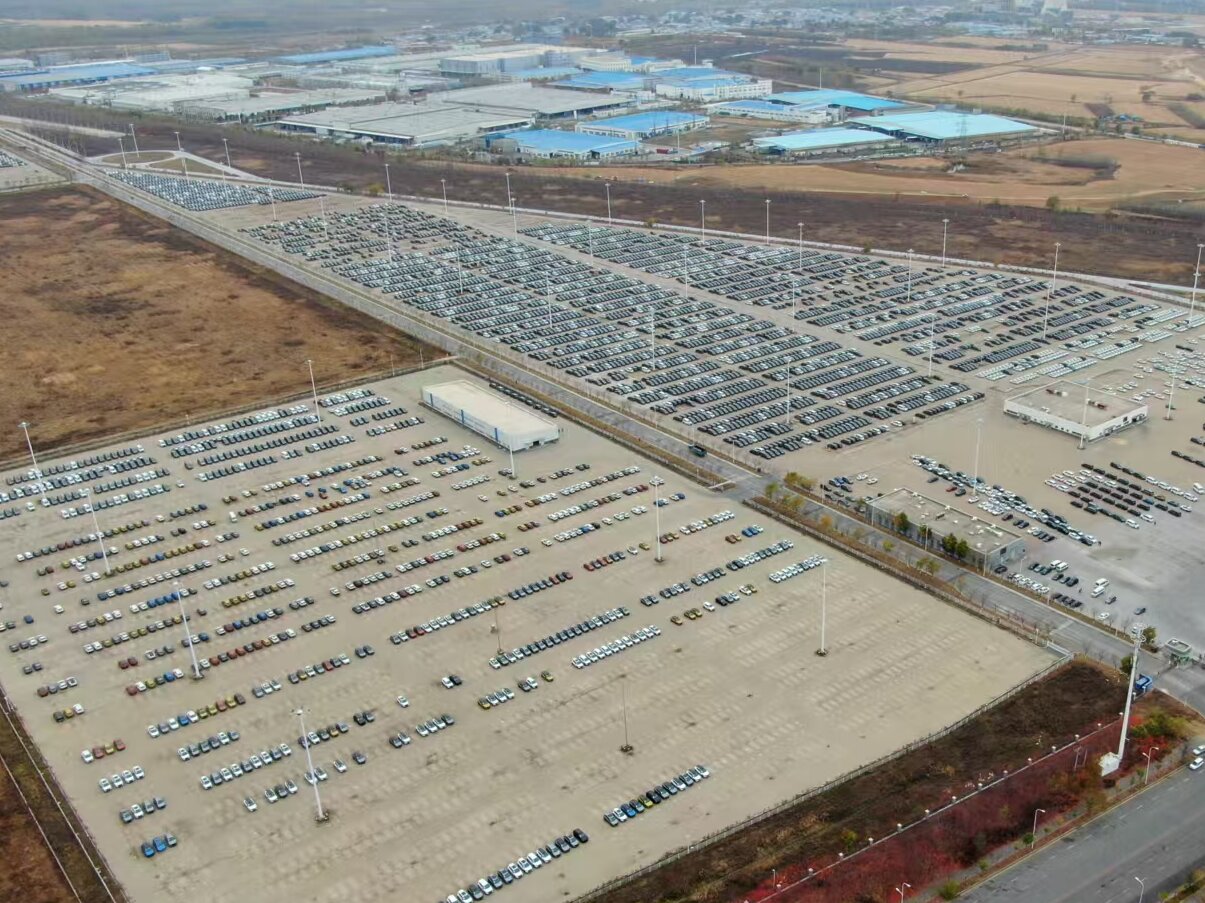
Two kinds of VDC: catch the line, or consolidate near the market
One manages plant takt time, the other manages order structure. Mixing their KPIs is the most common mistake in vehicle distribution.

Selling Audi: the harder half is before the sale
We run two Audi dealerships. After several years the lesson is not about discounting: what closes a deal is the customer believing, before they walk in, that this store knows cars.
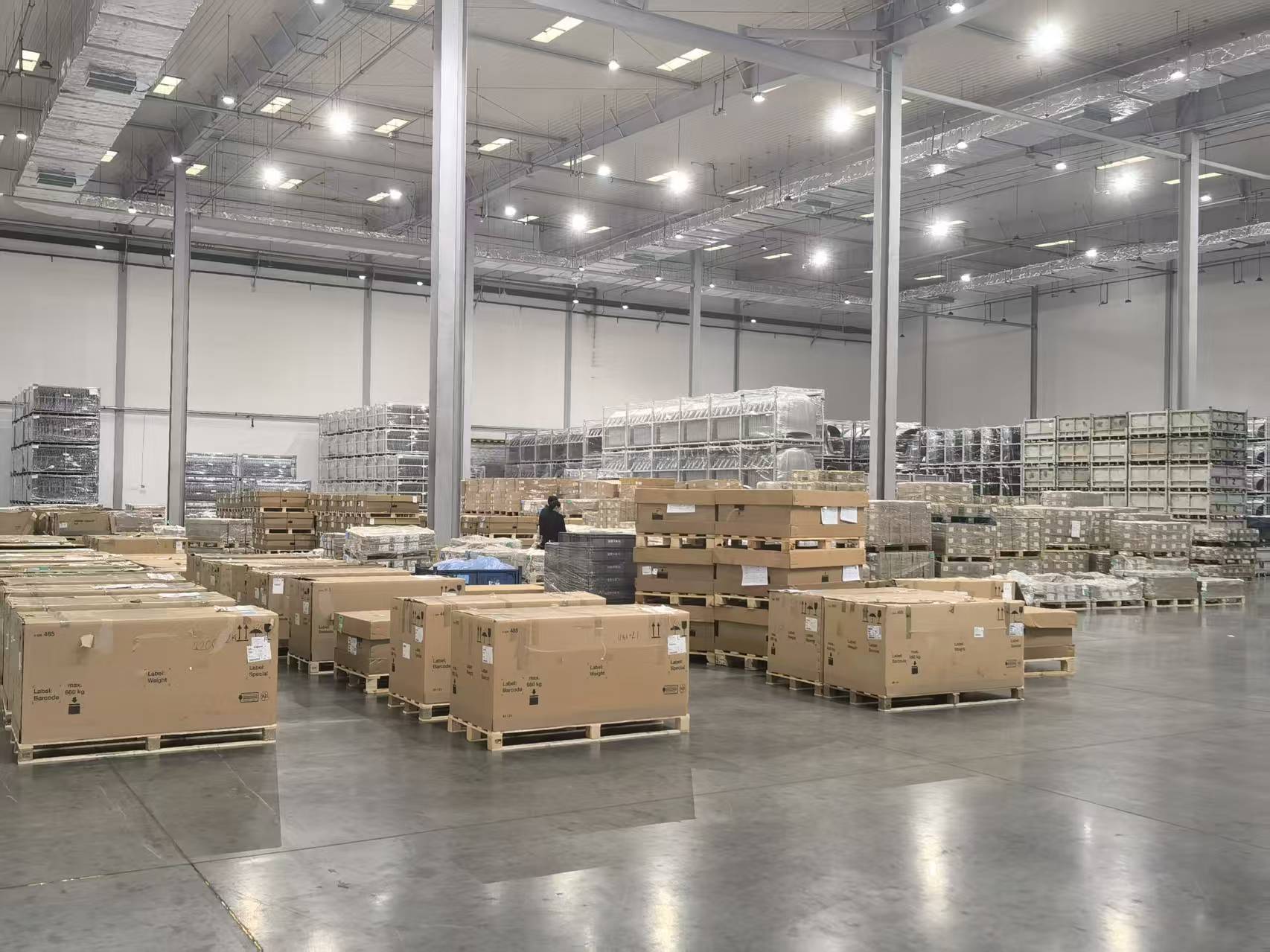
JIT is not about speed. It is about never being wrong
Getting material to the line takes a truck and a driver. Getting the right part, in the right sequence, to the right station within the right few minutes is what JIT actually is.