

1. The constraint is the window, not the speed
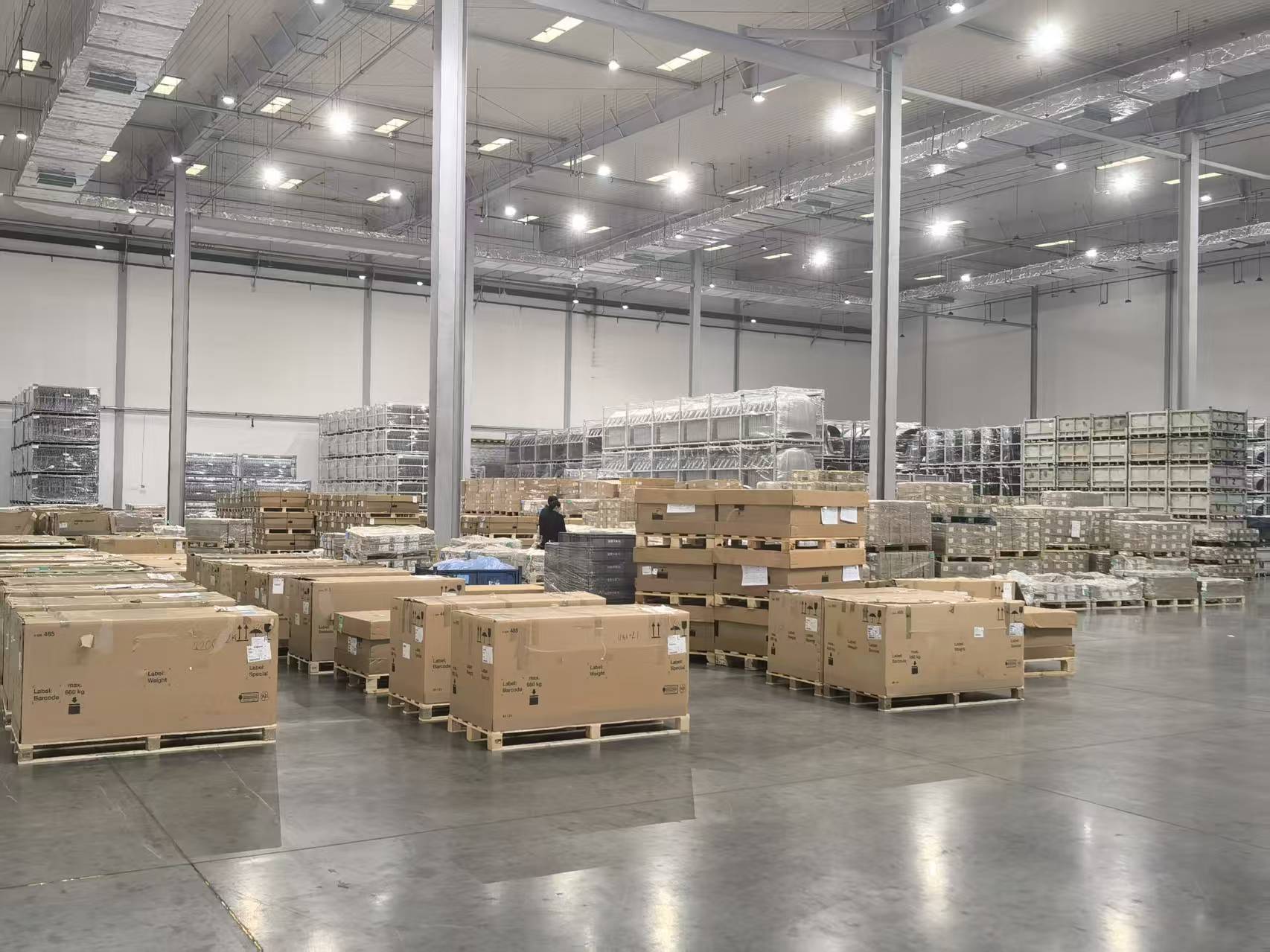
The unloading window an OEM gives is often only fifteen to thirty minutes. Arrive early and there is no dock; arrive late and the line-side bin is already empty. Speed outside the window scores nothing.
So the first metric is not average transit speed but window hit rate. It is an unglamorous number, because it gives no credit for heroics: a shipment rescued by a fast run scores the same as one that simply arrived on time.
2. Three kinds of error, an order of magnitude apart
Wrong part, wrong sequence, wrong time are all called exceptions on site, but they cost very differently. A wrong part means the line stops mid-assembly to swap it. A sequence error means the station cannot find the part for the vehicle in front of it. A timing error means the right part arrives twenty minutes after the bin ran dry.
The wrong part is the expensive one. A minute of downtime is priced off the plant's output and usually starts in the tens of thousands. Error-proofing therefore has to sit on the part-to-vehicle binding, not on an aggregate on-time percentage.
3. Scanning is not error-proofing, it is record-keeping
Many projects install PDA scanning and consider error-proofing finished. Scanning answers whether something was recorded. It does not stop a wrong scan from being waved through.
Real error-proofing makes the wrong action impossible to complete: racks bound to locations so that picking the wrong rack locks the next step on the PDA; sequence lists bound to VINs so a wrong scan shows which VIN tail should be there; line-side locations physically divided so one location holds one sequence position.
- Where physical separation is possible, do not rely on a system prompt
- Where the next step can be locked, do not settle for a confirmation dialog
- Every lock needs a named person who can release it
4. Stop exceptions in the warehouse, not at the line
In our own post-mortems the most expensive failures were not missed checks. They were shipments sent out with a known problem. The reason is human: sending it might be fine, holding it guarantees a complaint.
The floor needs a reason and a procedure for stopping. We set four breakpoints: quantity variance above two percent, an unreadable label, a damaged container, or a vehicle data mismatch. Any one of them suspends the trip, and dispatch decides within ten minutes whether to replenish, resequence or roll the order back, informing the OEM material planner at the same time.
The rule that makes it work is one sentence: suspending is never punished, concealing is. Without it the breakpoints are wall decoration.
5. Empty containers are an invisible cause of downtime
With no empty bin position at the line, the driver cannot unload and simply waits. Once the window passes, every later trip is out of rhythm. Container returns have to be scheduled with the delivery, not handled when someone has time.
We run one-for-one loops: full out, the same number of empties back, balanced in the system. A shortage is covered from a reserve pool a day ahead, not improvised on site.
6. Three metrics, no more
- Window hit rate: target above 99.5 percent
- Wrong-part incidents: target zero, every one traced to root cause
- Downtime minutes caused by missing parts: the only outcome metric
The first two are process, the last is outcome. Read together, they stop a handsome average from telling a false story.
7. The organisational precondition
Systems can prevent errors; they cannot compensate for a floor with no authority. A JIT operation has to give the floor the right to suspend and dispatch the right to resequence, and state plainly that neither needs a chain of approvals. Without that, the best system available only records the accident.
Keep reading
Two kinds of VDC: catch the line, or consolidate near the market
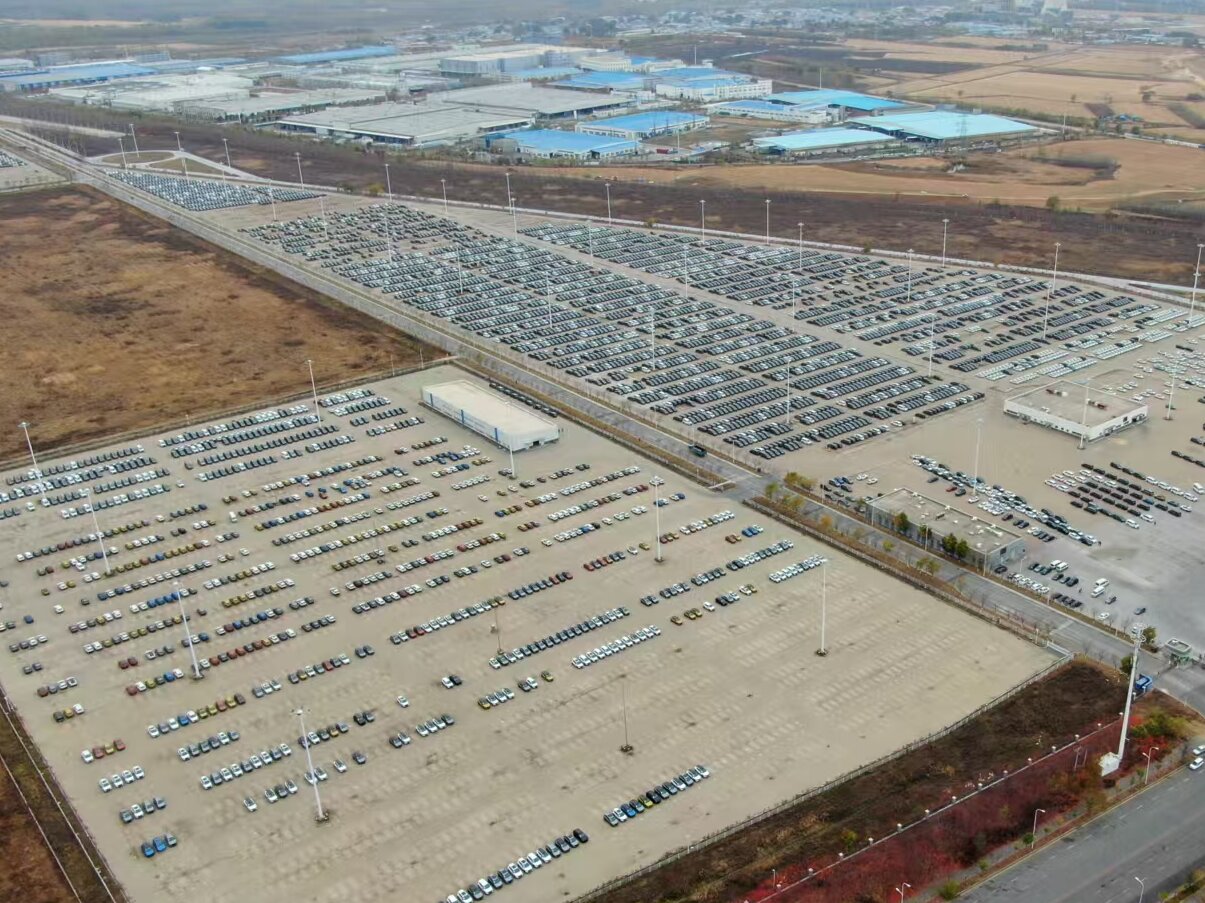
One manages plant takt time, the other manages order structure. Mixing their KPIs is the most common mistake in vehicle distribution.

Selling Audi: the harder half is before the sale
We run two Audi dealerships. After several years the lesson is not about discounting: what closes a deal is the customer believing, before they walk in, that this store knows cars.
Six places import and export freight goes wrong, and how we avoid them
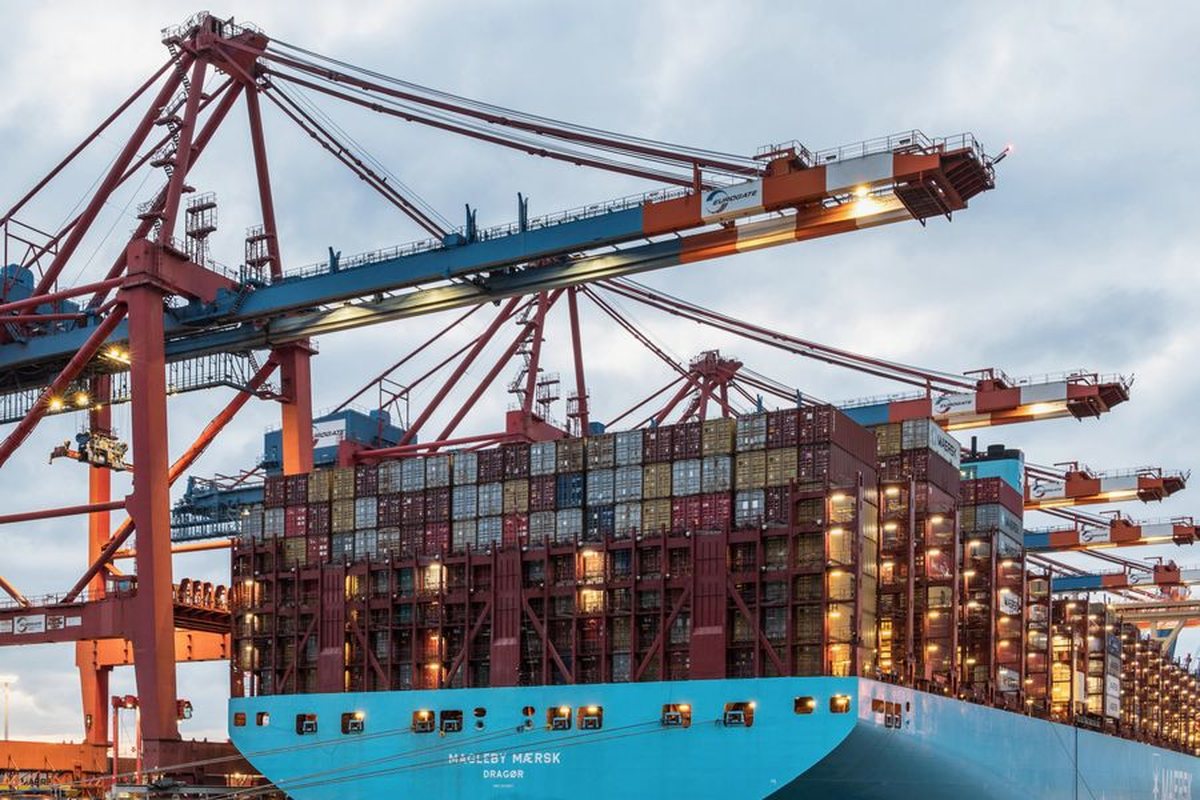
Freight rate is one line on a quotation. What actually strands a shipment is usually much duller: classification, documents, whether a booking is truly confirmed, and free time at destination.