

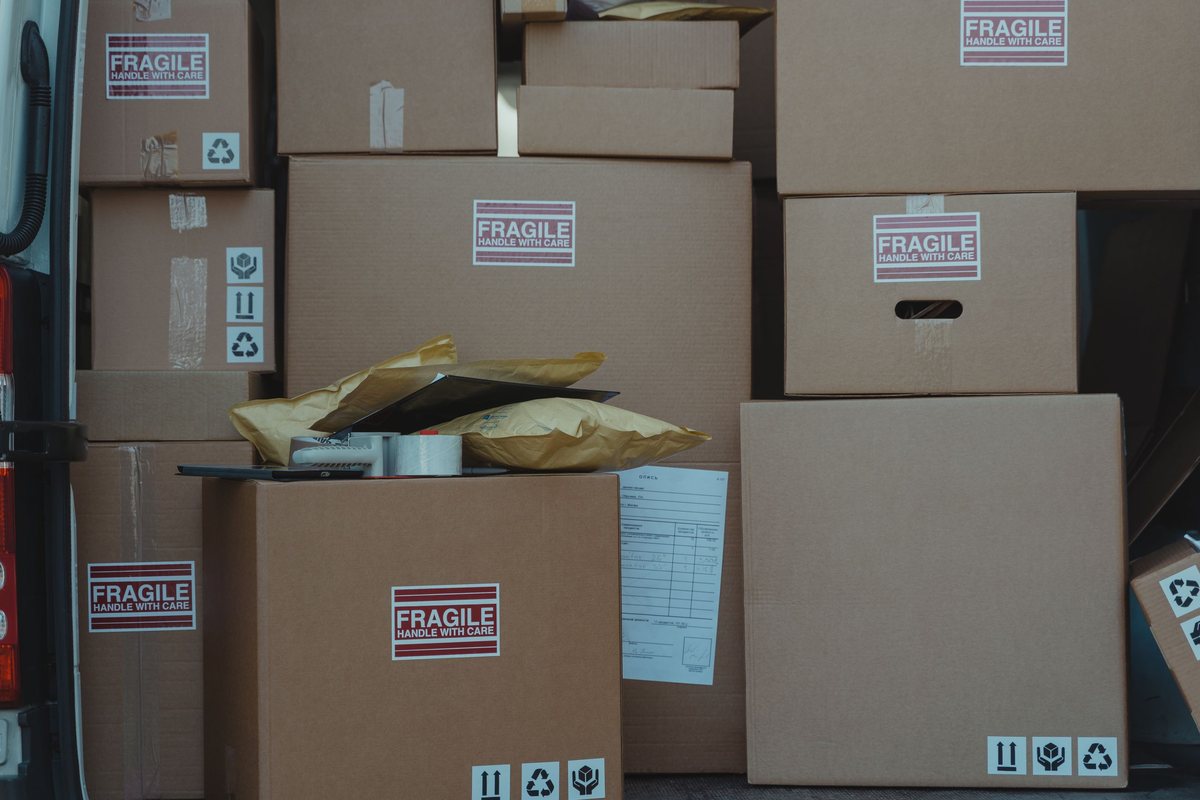
Expendable or returnable: compare trips, not unit price
Jan 2026 · Packaging & circularity
1. Unit price is the easiest number to get wrong
An expendable carton costs a fraction of a returnable container, so on the purchase order it always looks cheaper. The real comparison sits on one timeline: container cost, round-trip transport (especially the empty return), cleaning and maintenance, inventory occupation, loss rate and end-of-life disposal.
Put another way, expendable packaging is pay-per-trip while returnable containers are depreciating assets. The first grows linearly with volume; the second amortises with every additional trip once it clears breakeven.
2. Calculating the breakeven
Container cost divided by saving per trip gives the number of trips to breakeven. In practice most automotive applications break even within 20–30 trips; plastic containers typically pay back in 8–14 cycles with a life of 100–200 trips, and steel racks last 300–500. At one trip a week over seven years, a single container makes more than 350 trips.
The most underestimated term is the negative one inside the per-trip saving: the empty return. Containers are light but their volume does not disappear. Collapsibility, return load factor and return distance often decide the business case more than the container price.
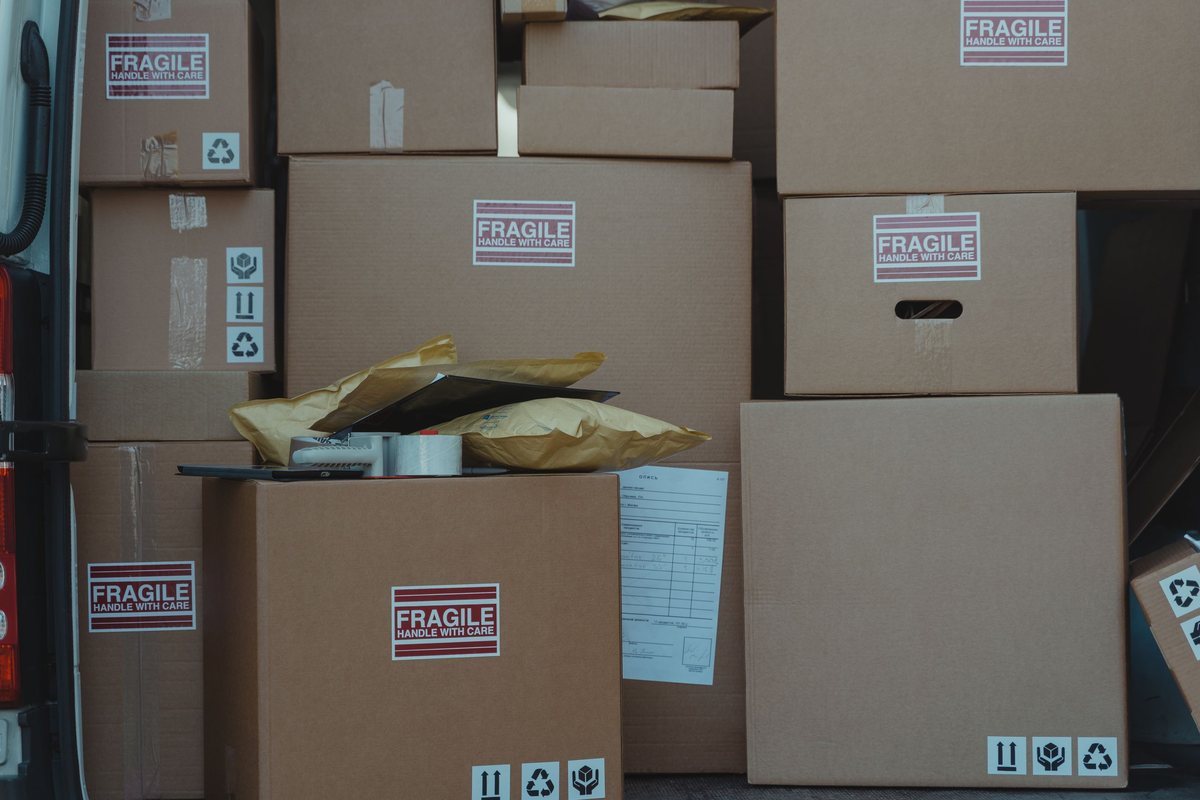
3. Loss rate is a hidden tax
Industry loss rates for returnable containers run 2–5% a year. With racks at several hundred yuan each and fleets in the thousands, that is a recurring cost that never appears on a purchase order.
There is only one way to make it visible: bring containers into the system, one code per unit, recording every issue, return and movement. With a ledger, missing becomes a location question.
4. When expendable still wins
Returnable is not a doctrine. Expendable is usually better in four situations:
- Low frequency: fewer than twenty trips a year will not amortise the asset
- One-way export: an uneconomic return means empty-container freight eats the saving
- Harsh handling: containers wear out fast and maintenance outruns the saving
- Hygiene requirements: cleaning costs more than the packaging itself
The pragmatic answer is tiering: run closed loops on the highest-volume lanes and keep the rest expendable. Two models coexisting in one project is normal, not a compromise.
5. Containers are assets, not consumables
Buy containers as consumables and you get consumable management: no ledger, no maintenance, no life expectancy. Run them as assets and you need the full chain — design, prototyping, testing, manufacturing, maintenance. That is why we operate our own container plants: when design and maintenance sit in one system, a container actually reaches its designed life.
Judge a packaging solution by the year-five ledger, not the first purchase order.
Keep reading
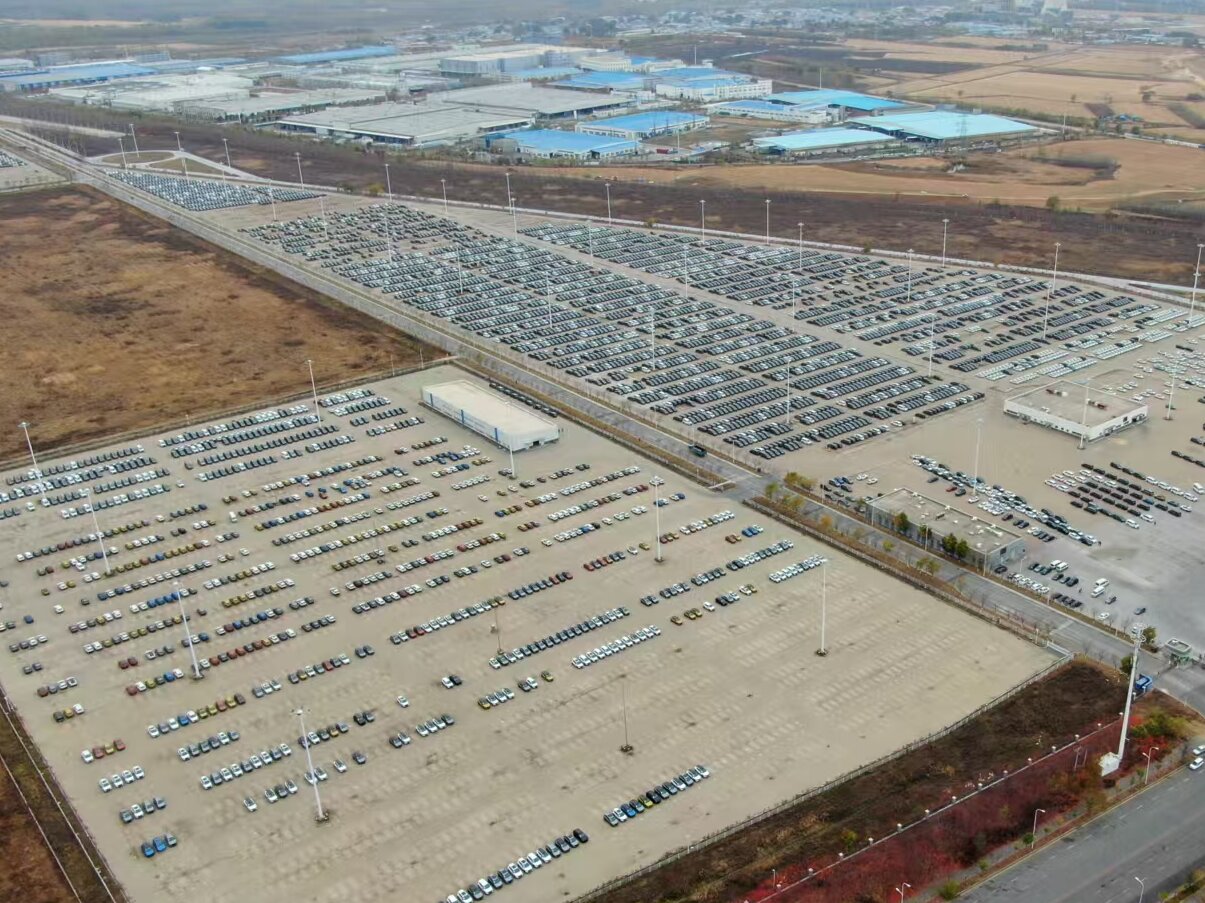
Two kinds of VDC: catch the line, or consolidate near the market
One manages plant takt time, the other manages order structure. Mixing their KPIs is the most common mistake in vehicle distribution.
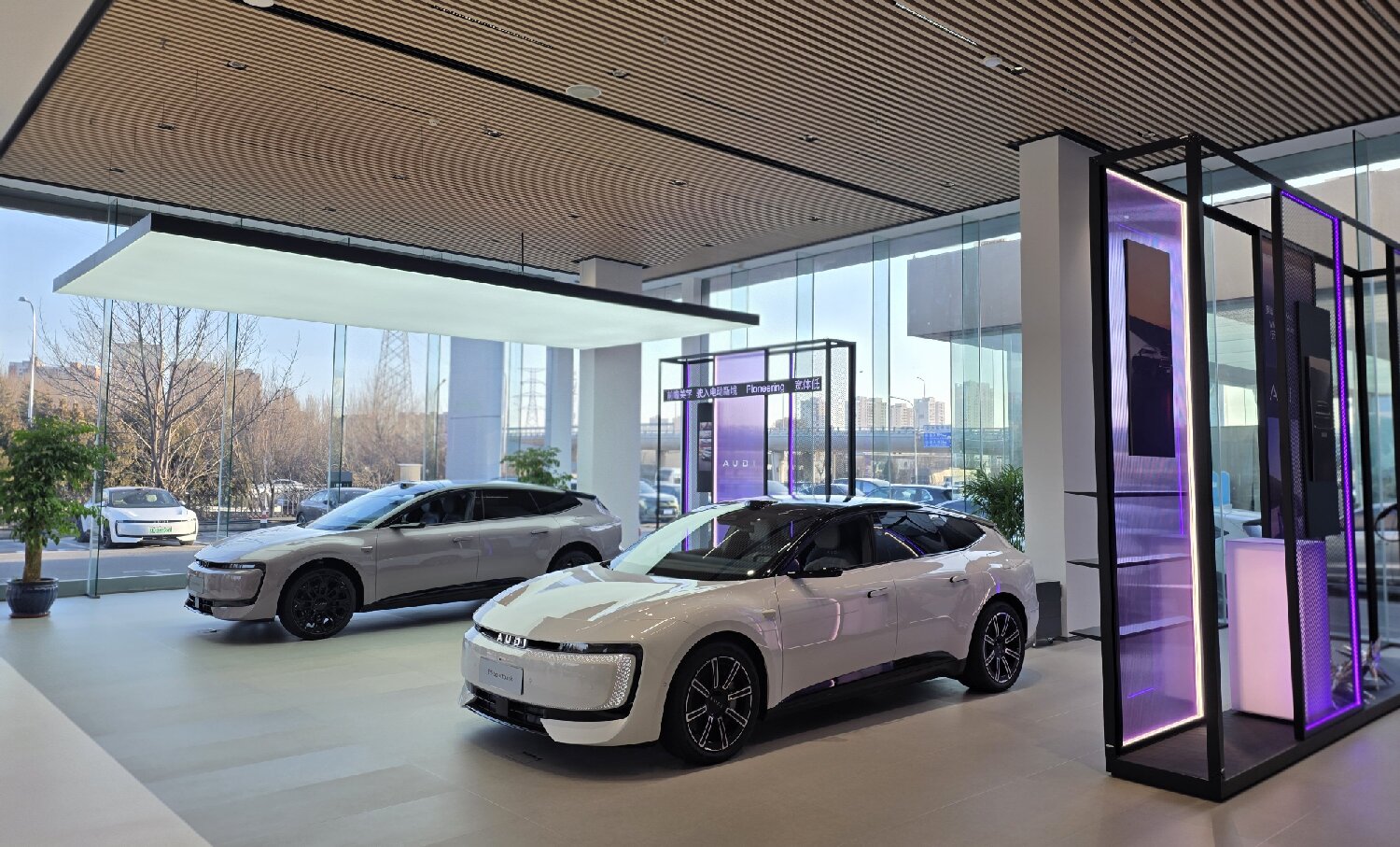
Selling Audi: the harder half is before the sale
We run two Audi dealerships. After several years the lesson is not about discounting: what closes a deal is the customer believing, before they walk in, that this store knows cars.
JIT is not about speed. It is about never being wrong
Getting material to the line takes a truck and a driver. Getting the right part, in the right sequence, to the right station within the right few minutes is what JIT actually is.