

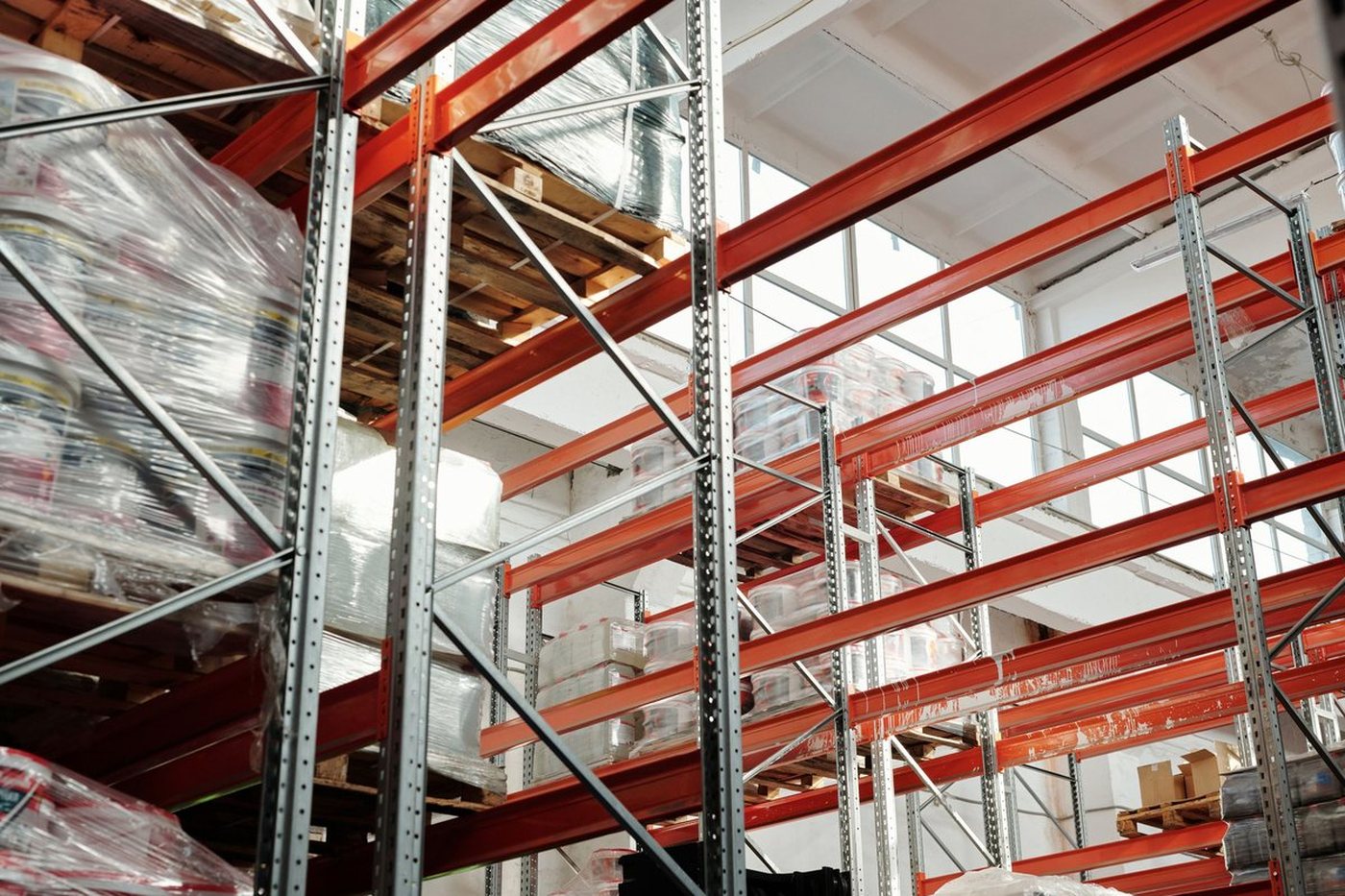
Stock accuracy is not a stocktake: four leaks in a parts warehouse
Mar 2026 · Warehouse operations
1. Goods move faster than paperwork
Automotive supply chains chase zero inventory, with two to four deliveries a day and stock levels refreshed by the hour, while legacy bookkeeping still closes daily. Once physical flow outruns document flow, variance stops being an occasional mistake and becomes structural.
The consequence is visible: on stocktake day the numbers are always right; on the other twenty-nine days the books walk a tightrope. Stability comes from capturing every transfer of ownership at the moment it happens.
2. Leak one: the VMI ownership gap
The goods sit in your warehouse but on the supplier's books. Ten pallets arrive in the morning; by the afternoon the line needs three of them, so the storekeeper moves them from the consignment area and forgets to scan, catching up the next day. Overnight the parts are on the line while the system still shows consignment stock. At month-end the supplier shipped ten and your system shows seven issued. Neither side is wrong; the gap is the time window.
The fix is not another reminder but moving the settlement point: scan on issue, settle on scan, and post to both systems at once. That is a commercial clause before it is a technical one. Unless scan-to-settle is written into the VMI agreement, the floor will always have a reason to ship first and post later.
3. Leak two: the illusion of standard consumption
Backflushing deducts BOM quantity times a standard scrap rate, which looks rigorous. The problem is that the standard is an average while actual loss changes daily: 1.5% on a good day, 8% on a die-change day.
Less visible is the recovery gap. Casting chips, machining offcuts and injection sprues can be remelted, yet the system deducts the full charge with no inbound entry for the scrap. A thousand kilos are deducted, thirty kilos of chips come back, and those thirty kilos disappear. Over months the system shows less and less material while the scrap bay grows.
Our approach mixes both: high-value parts are deducted at issue with scrap reported in real time, low-value small parts stay on backflush, and offcuts must be received into the system — no off-book handling.
4. Leak three: the remainder black hole
Full boxes are controlled; opened boxes are not. Fifty clips to a box, thirty-two picked for sequencing, and the remaining eighteen? The handwritten label fades within days, and the next storekeeper cannot tell what is inside, how many, or which batch. The system cannot find them, purchasing reorders, the book shows over-issue and the shelf shows dead stock.
Even easier to overlook are the containers. EPP bins, dedicated racks and thermoformed trays cost hundreds of yuan each and circulate between warehouse, line and supplier. At year-end dozens are missing, worth tens of thousands, with no deduction in the books — the loss simply disappears into material cost.
The countermeasures are concrete: generate a remainder barcode at the moment of unpacking and bind it to a location; bring returnable containers fully into the WMS so receipt, issue, loss and in-transit status are all recorded.
5. Leak four: the paperwork we will do later
On the floor, keeping the line running always wins. A operator reports five defective parts; the team leader says take five from the store and do the paperwork later. Five rejects out, five good parts in, and no transaction. When it gets busy, later means after shift.
Supplier returns are worse: the supplier collects rejects on site and leaves new material, all offline. At stocktake nobody can say whether those rejects went back or are still sitting in the scrap area.
We reduce it to a single action: one tap on the PDA completes both the reject issue and the good-part receipt. The simpler the floor process, the smaller the incentive to bypass the system.
6. From one annual count to a little every day
We run dynamic cycle counting by ABC class. Class A, high value and high turnover, is sampled at 10% of locations daily with immediate recount on variance; class B is covered weekly; class C uses two-bin counting monthly, counting only full bins and accepting ±3% theoretical shrink. The annual count reviews only items above a variance threshold.
Four metrics keep it honest: variance rate by ABC class, the count of remainder and container discrepancies, document timeliness, and counting hours. Well-run programmes typically move accuracy from 85–90% to above 99%, while counting labour falls.
Stock accuracy is the output of a process design, not the result of a stocktake.
Keep reading
Two kinds of VDC: catch the line, or consolidate near the market
One manages plant takt time, the other manages order structure. Mixing their KPIs is the most common mistake in vehicle distribution.

Selling Audi: the harder half is before the sale
We run two Audi dealerships. After several years the lesson is not about discounting: what closes a deal is the customer believing, before they walk in, that this store knows cars.
JIT is not about speed. It is about never being wrong
Getting material to the line takes a truck and a driver. Getting the right part, in the right sequence, to the right station within the right few minutes is what JIT actually is.