

Two kinds of VDC: catch the line, or consolidate near the market
Sep 2026 · Vehicle distribution
1. Start with the purpose
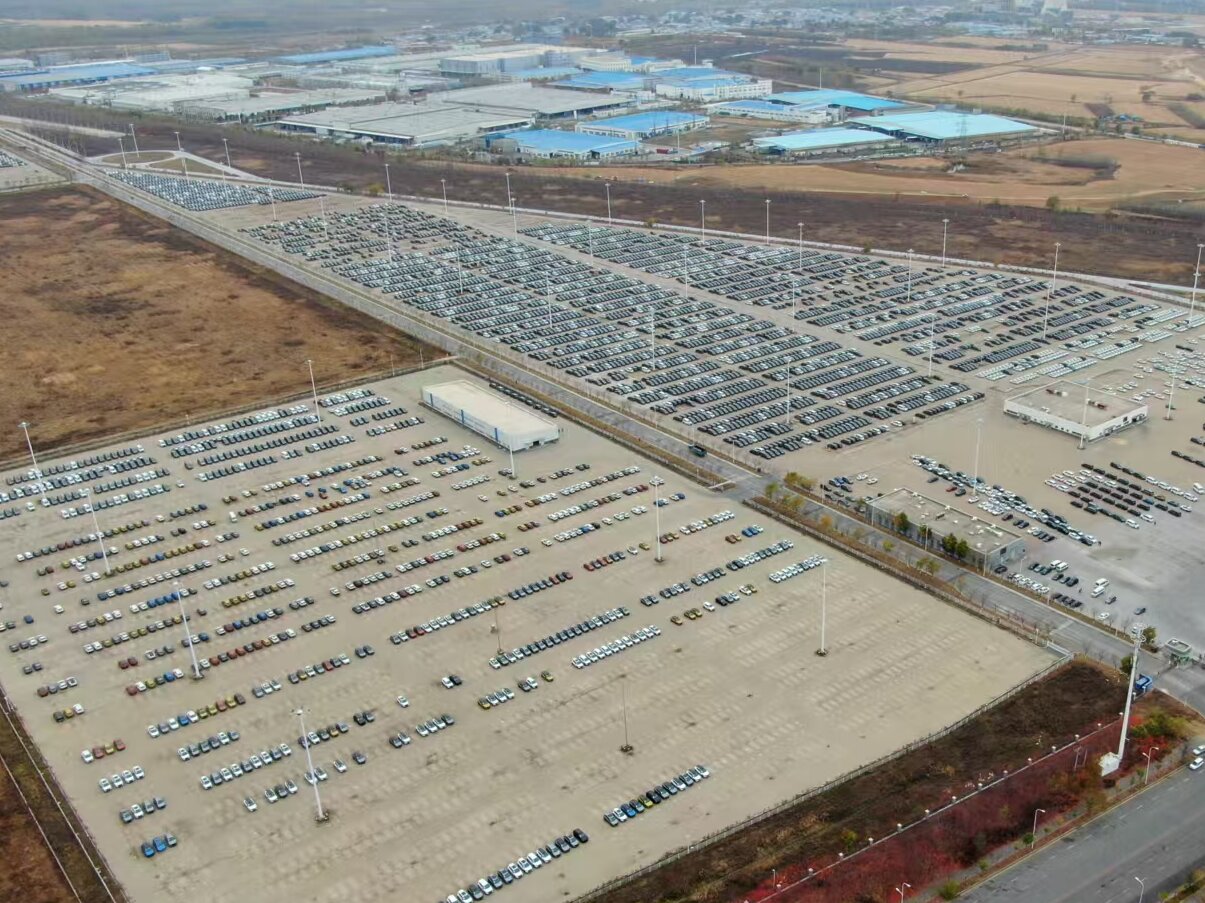
In China a VDC is often treated as a large car park. In reality there are two different animals: one built beside the plant to receive freshly built vehicles, one built near the market to consolidate several brands and plants before distribution. The first solves a plant with no room; the second solves orders that are too fragmented.
They share almost no layout, staffing, system or KPI. Forcing one template onto both produces a yard that stores cars and does nothing else well.
2. Plant-side, single brand: catching takt time
Catching the line means vehicles arrive at roughly one a minute with no buffer. Capacity here is not measured in square metres but in how many minutes of takt time the yard can absorb. However large the site, a blocked exit backs up to the end of the line.
Three hard constraints. The quality gate must close before the vehicle enters stock; a defect found later doubles traceability and rework cost. Locations must be accurate in real time, because a car you cannot find is a car you do not have. And PDI bays must match the outbound peak, not the average.
3. Where plant-side VDC fails: the soft handover
Between the end of the line and the yard there is often a stretch of time nobody owns: the car sits in a temporary area, the key is in a team leader's pocket, no location is recorded, and the system cannot find it. Damage and missing items in that window are almost impossible to attribute afterwards.
We compress that window to zero: scan at line end, allocate a location on the scan, and log the key into a cabinet electronically at the same moment. The car has a position, an owner and an image the second it touches the ground.
Keys deserve the same attention. If keys travel with people, cars travel with people. If keys live in a cabinet and the cabinet answers to the system, vehicle status stays controllable. It sounds like housekeeping; it is the single most effective gate in vehicle storage.
4. Market-side, multi-brand: catching orders
A consolidation VDC near the market receives vehicles from different plants, brands and batches, and ships trucks built from dealer orders. Its core competence is mixing: brands, models and delivery dates.
Mixing needs separation rules: zones by brand, lanes by dealer, rows by despatch batch. Physical separation beats a system flag, because people on site do not query the system every time.
There is a hidden cost in multi-brand yards: finding the car. Same model, different trim; same trim, different colour — the visual difference is tiny. We encode locations down to row and slot and put a legible position label on the vehicle, turning find-the-car from memory into reading a number.
5. The KPIs are not interchangeable
- Plant side: gate-in timeliness, location accuracy, first-pass PDI yield, time from line end to stock
- Market side: order fill rate, truck load factor, average days in stock, on-time delivery by batch
Grading a market yard on plant-side metrics pushes the team to stack cars neatly and ignore load consolidation. Grading a plant yard on load factor backs vehicles up at the end of the line. Misplaced metrics are worse than none.
6. Location: near the plant or near the customer
The test is simple: are your cars waiting to be sold or waiting to be shipped? High volume, concentrated models, predictable orders argue for the plant. Many models, fragmented orders, dispersed dealers argue for the market. Companies with both usually run both points, connected by rail or line-haul.
Rail is underestimated for that middle leg. Beyond 800 kilometres, rail plus shuttling at both ends often beats an all-road solution on cost and reliability, particularly in months with concentrated launches.
7. The most expensive cost is moving a car twice
The most expensive item in vehicle storage is not rent, it is the second movement. Move a car three times around a yard and both damage risk and labour cost double, while the vehicle starts to look like a repair candidate. Location planning should aim at park once, not fit more.
There is a crude test for a well-run VDC: name a random VIN and time how long it takes to drive the car out. Under three minutes is acceptable; over ten means the yard still runs on memory.
Keep reading
Selling Audi: the harder half is before the sale
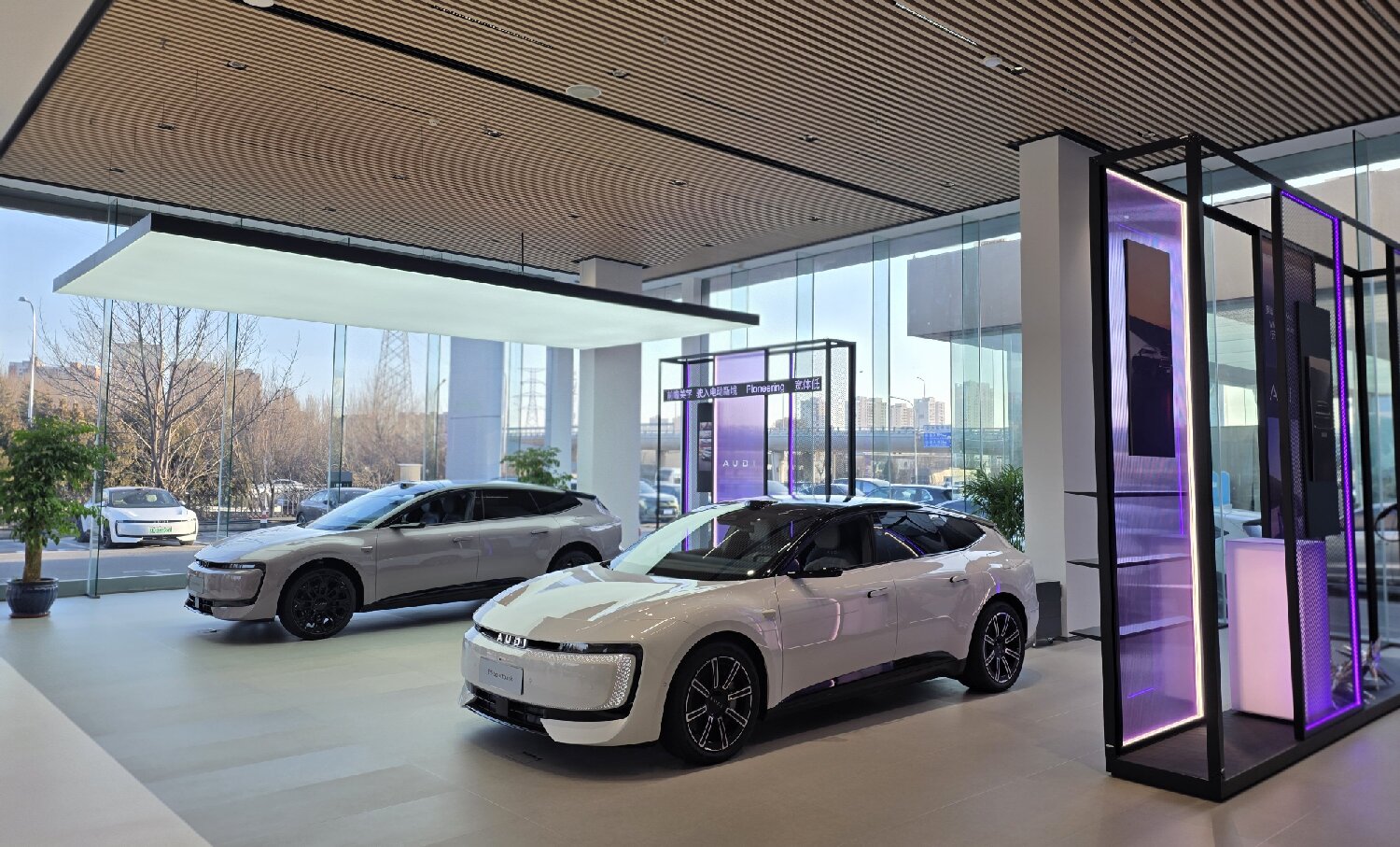
We run two Audi dealerships. After several years the lesson is not about discounting: what closes a deal is the customer believing, before they walk in, that this store knows cars.
JIT is not about speed. It is about never being wrong
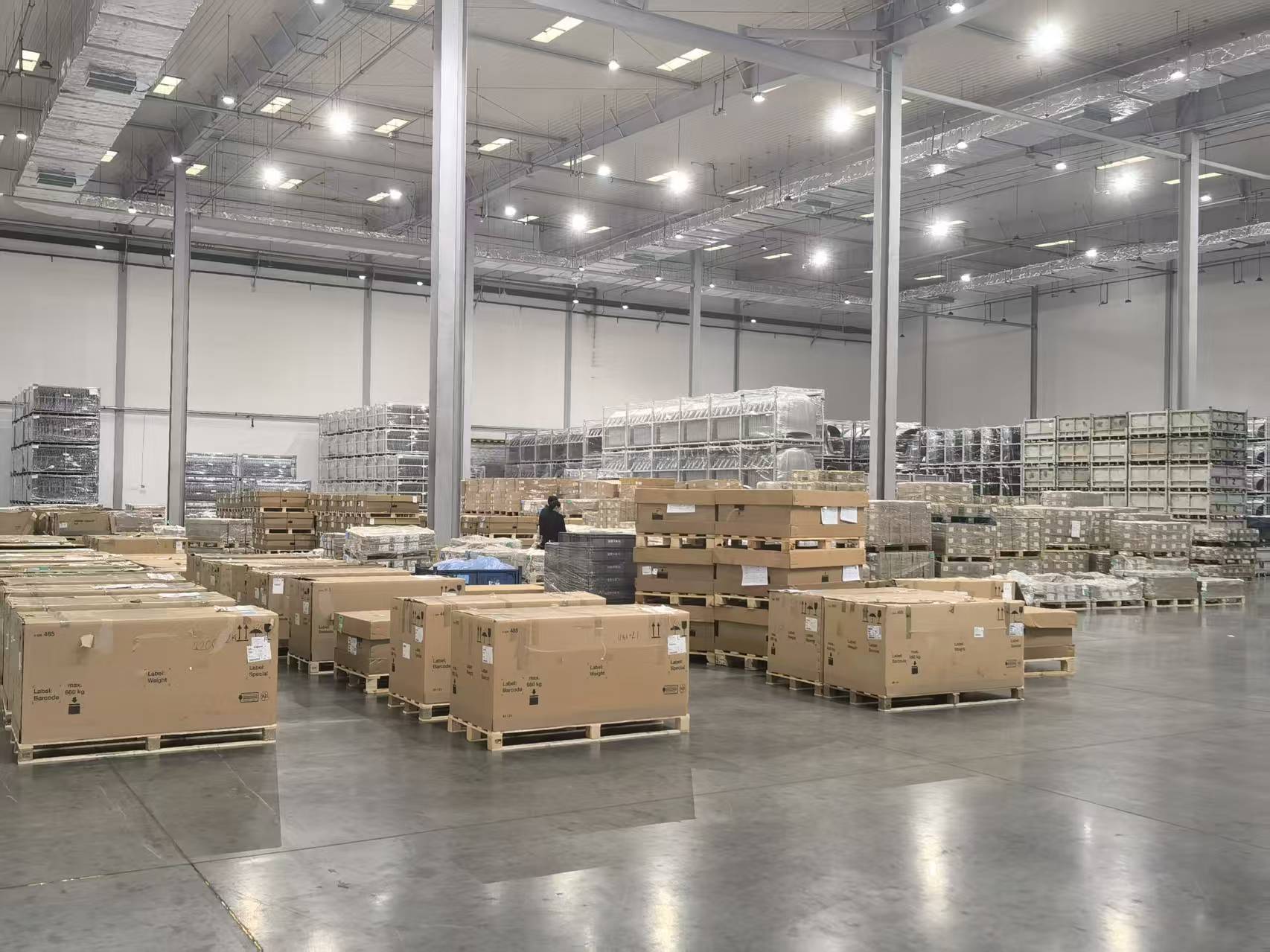
Getting material to the line takes a truck and a driver. Getting the right part, in the right sequence, to the right station within the right few minutes is what JIT actually is.
Six places import and export freight goes wrong, and how we avoid them
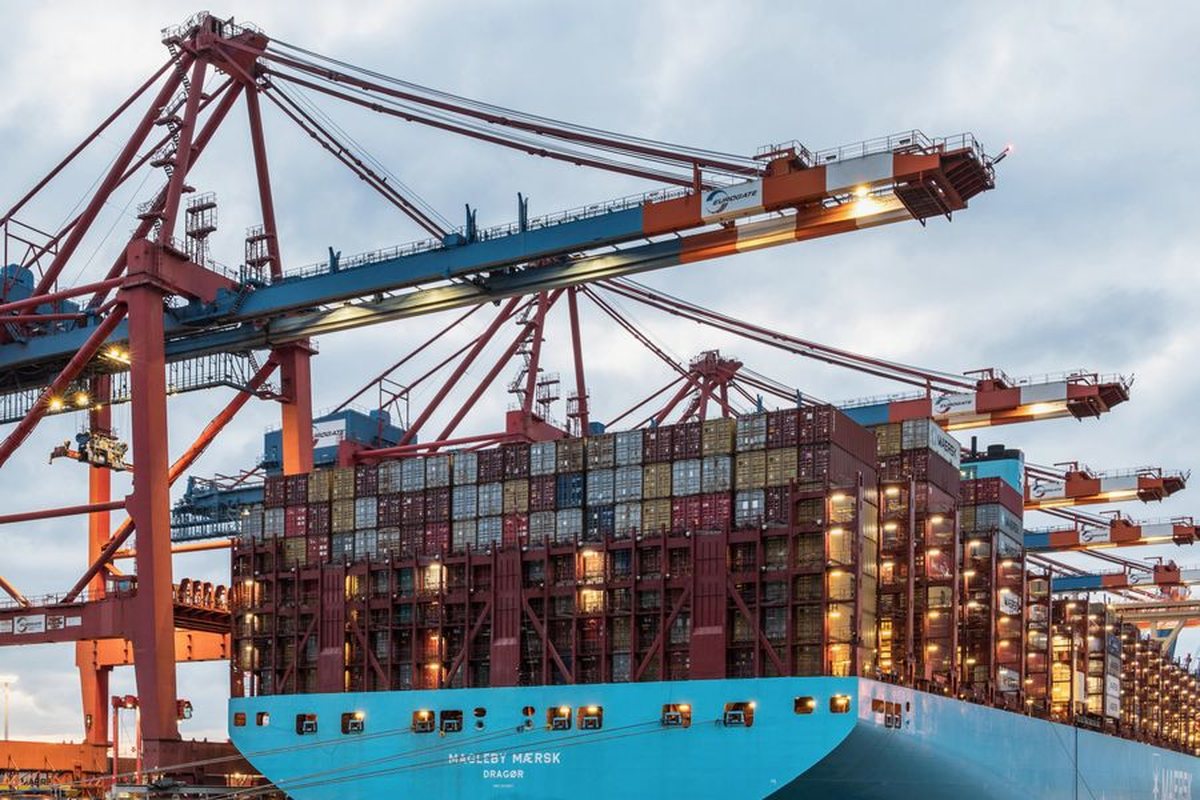
Freight rate is one line on a quotation. What actually strands a shipment is usually much duller: classification, documents, whether a booking is truly confirmed, and free time at destination.