

Roller-deck and sequencing trailers: where custom vehicles get hard
Feb 2025 · Special vehicles
1. Why modify a truck at all
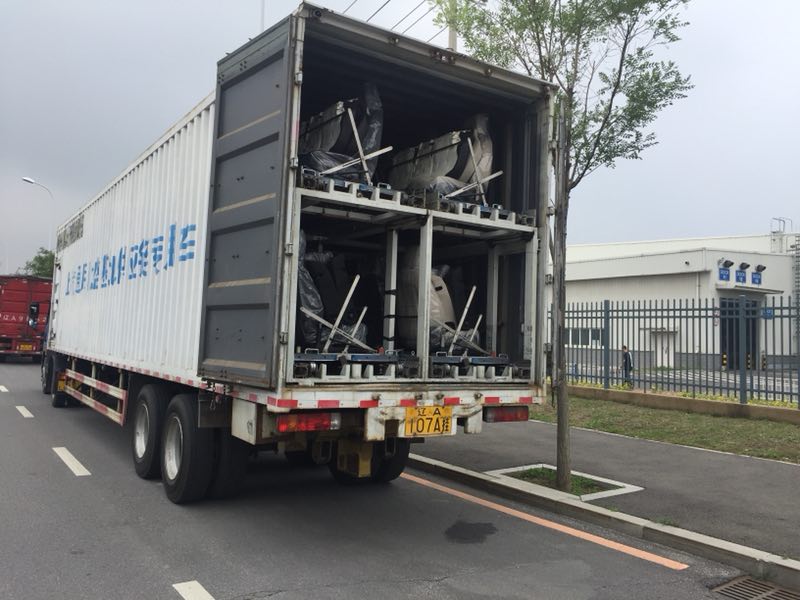
An instrument panel from Yanfeng runs close to 1.8 metres and wears a soft skin. It cannot take stacking: two layers and the lower one shows marks, which the line rejects.
In a standard trailer you stack them and strap them down. The floor has no locking points, so the load works loose every trip and the driver stops to check it. So you build a dedicated rack. The rack then has nowhere to lock inside a standard body. That is where the modification starts: not because we wanted one, but because the standard truck could not do the job.
2. Roller decks: three obstacles
A roller deck lays a line of rollers along the floor so a rack slides into position, and at the line the trailer rollers meet the station rollers so the whole rack is pushed across without a second handling. The idea is simple. Three things are not.
First, roller height. It has to match the customer's line-side rollers; more than 10 millimetres out and the rack will not transfer. Floor height depends on chassis and suspension, and the same chassis model can vary 15 millimetres between batches. So every vehicle is measured before delivery and shimmed if needed. No drawing solves this; only a tape measure does.
Second, restraint. Rollers slide, and a hard brake sends the rack forward. We put a stop at the end and flip-up locating pins in the middle; once the rack is home the pins come up. Drivers check the pins by hand before moving off — the one step in training that is never skipped.
Third, the return trip. Empty racks have to slide back out, which depends on the clearance of the guide rails on both sides. Too tight and they jam; too loose and they wander. It took three iterations to settle that dimension.
3. Sequencing trailers: lose the order, lose the load
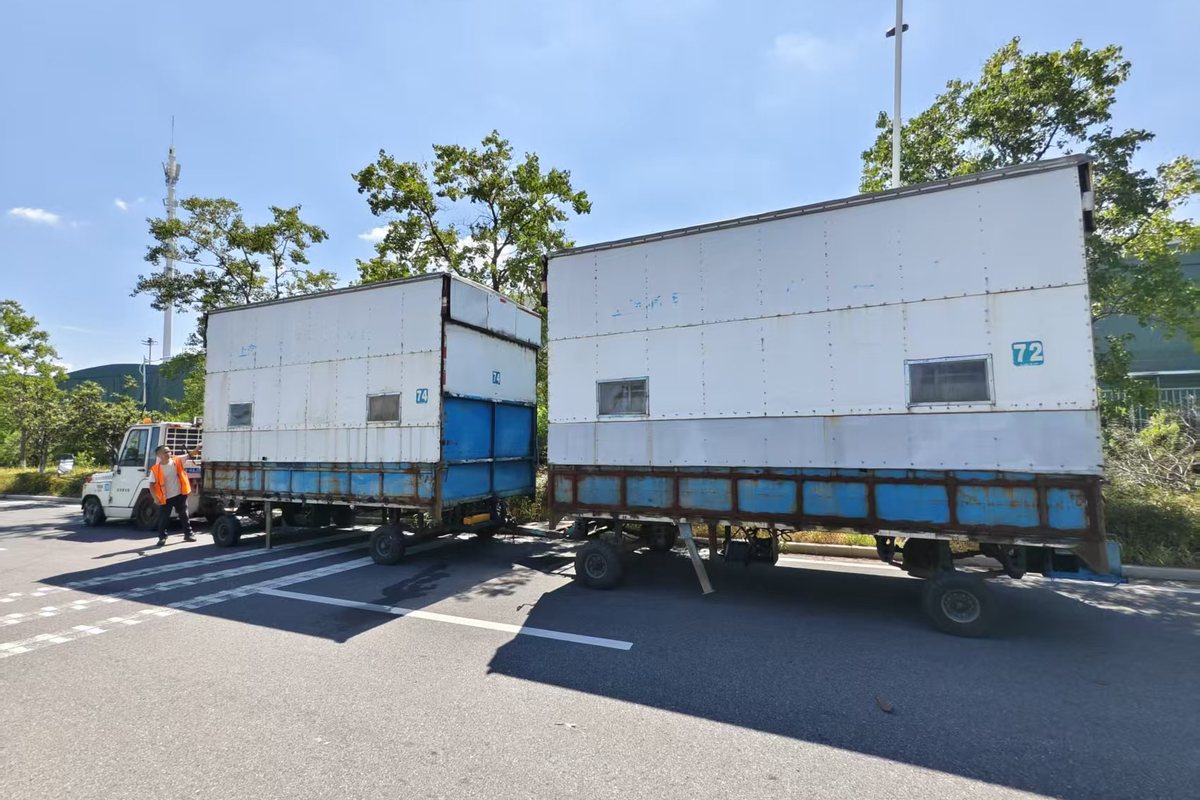
A sequencing trailer is built in tiers and columns, one cell per sequence position. It is loaded to the sequence sheet and unloaded by position, with no shuffling in between. Shuffle once and the order is gone.
The fuel-tank sequencer we built for Inergy has three tiers of six cells, each with a position code. One cell, one scan; the driver does not open the doors in transit. At the line it unloads cell by cell, ticking each off. It sounds clumsy, and it removes the act of searching entirely.
Inside the team we say the value of a sequencer is not in the truck, it is in the cells. Get the cells wrong and the best chassis will not save it. So for every new project we draw the cell layout before we discuss the chassis.
4. Three things people forget
- Type approval and registration: modified parameters can exceed the announced spec and block registration
- Maintenance: non-standard parts have no shelf stock, so a failure means a fabrication
- Drivers: roller decks and side-loaders handle nothing like a standard box
Registration is where we got caught. One vehicle came out over the announced gross weight after modification and sat two months waiting for plates. Now every proposal is checked against the announcement before pricing; if it does not fit, we change the chassis instead of improvising afterwards.
5. Build one prototype, not twenty
However urgent the order, the first unit is always a prototype. It goes to the customer site, mates with the rollers once, takes a real rack, runs one real route. Problems get fixed on that unit before any batch is released.
The most common prototype finding is a rack that does not match the body: the customer's racks are an older spec, we built to the new one. Ten meetings will not surface it. One push on site will.
6. What it costs, and whether it pays
A custom body typically costs 1.5 to 2.5 times a standard trailer. Two numbers decide whether it pays: how much manual handling it removes, and how much damage it prevents.
On the Yanfeng project one roller deck replaced two line-side handlers; a year of saved labour covered the vehicle, and the drop in damage was pure gain. The arithmetic is easy. Finding someone willing to spend first is the hard part.
Custom vehicles are not a show of engineering. They solve exactly one problem: the standard truck cannot do it. So there is exactly one acceptance test — does it dock with that line reliably, twenty times a day, every time the same.
Keep reading
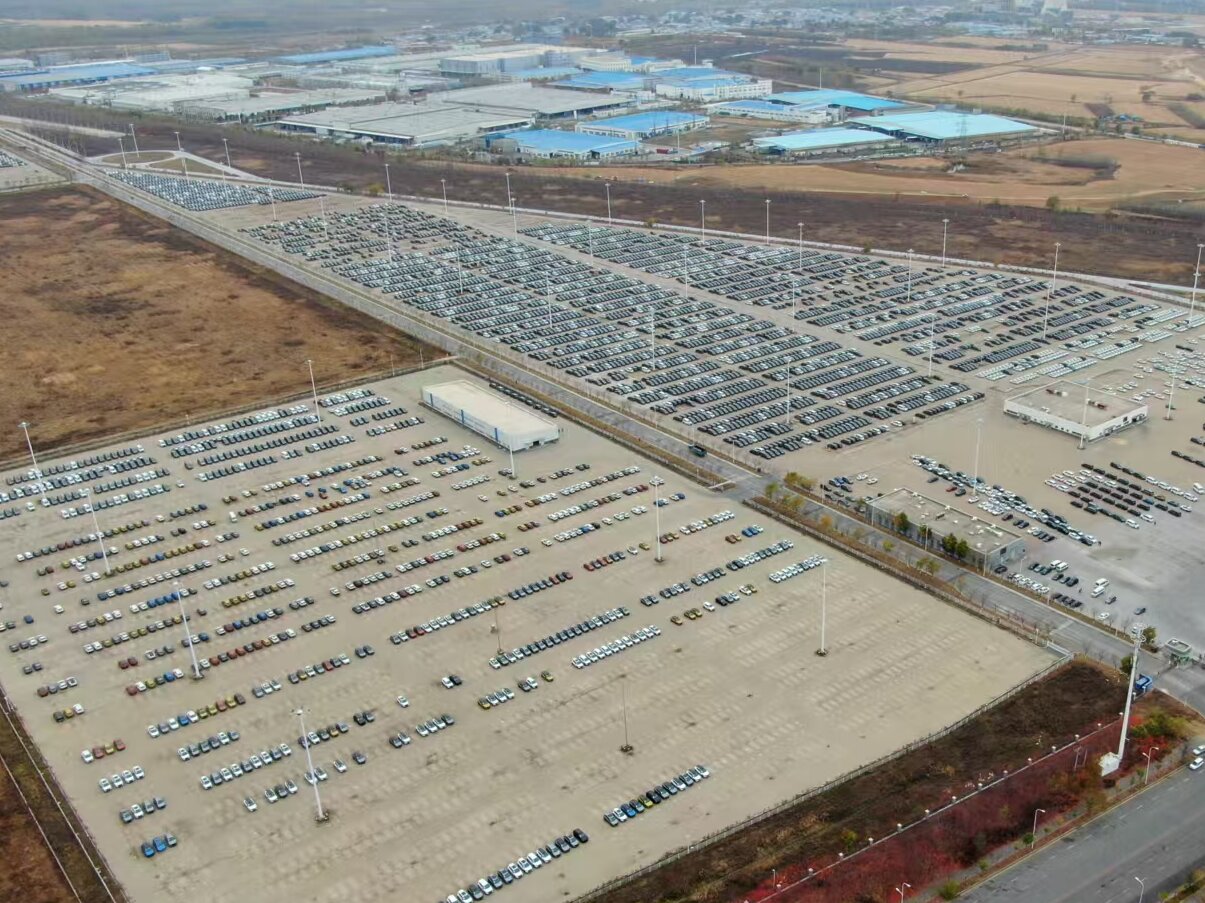
Two kinds of VDC: catch the line, or consolidate near the market
One manages plant takt time, the other manages order structure. Mixing their KPIs is the most common mistake in vehicle distribution.
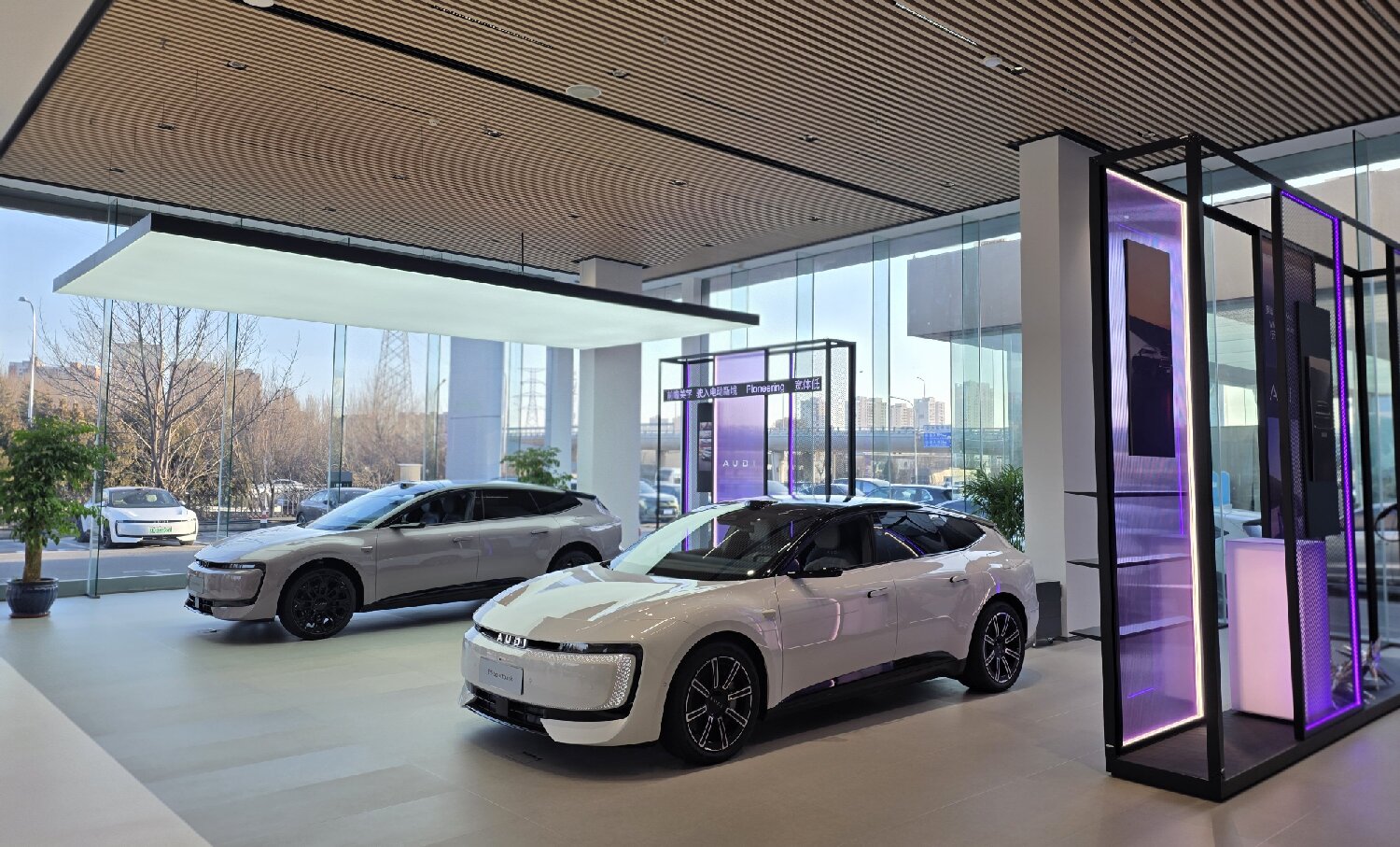
Selling Audi: the harder half is before the sale
We run two Audi dealerships. After several years the lesson is not about discounting: what closes a deal is the customer believing, before they walk in, that this store knows cars.
JIT is not about speed. It is about never being wrong
Getting material to the line takes a truck and a driver. Getting the right part, in the right sequence, to the right station within the right few minutes is what JIT actually is.